A work of matchless beauty, the headline might read if my reviews made it into a TV promotion ever. That is not an overstatement. Fairy Tail is one of the most beautiful anime ever made. If you’re shocked at this statement, knowing I am a critic not prone to overstatement, particularly when discussing beauty—I nevertheless understand. But I stand by […]
A work of matchless beauty, the headline might read if my reviews made it into a TV promotion ever. That is not an overstatement. Fairy Tail is one of the most beautiful anime ever made.
If you’re shocked at this statement, knowing I am a critic not prone to overstatement, particularly when discussing beauty—I nevertheless understand. But I stand by my statement. Fairy Tail is beautiful in many different ways, in many different parts, often in different ways in different times, but the whole thing together is incredibly beautiful.
The biggest reason I say this is because this anime consistently evoked strong emotional responses in me. When one thinks of “beauty” that is probably not the first definition that comes to mind, but I believe it is a very apt measure for anime particularly. And this show rained reactions down on me like none other I’d ever seen. Sometimes it was pure joy. Sometimes it was heartbreaking sadness. Sometimes I would scream out in excitement. Sometimes I was so angry I could not sleep (this did happen, and as you read further you’ll be able to predict where that happened). I could die of happiness or kill from rage over various events in this anime. That’s pretty powerful, and I do not overstate it.
Yet if you asked me if this show irritated me to death, I would say yes without hesitation. It drove me nuts. Some of the stuff in this show—I wanted to pull my hair out sometimes (this did not happen, thankfully). Sometimes I had to facepalm and wonder what in the world I was doing watching this madness. Generally I only had this reaction to some of the crazier comedic elements, but there were others too. Never did dramatic elements cause this reaction, let’s put it that way, to narrow it down a little for you.
I think that’s the way I came to love this series. It was crazy. It was sweet. It was maddening. It was pretty. It was wild. It was here. It was there. It was beautiful. And that’s what I remember. I remember it was beautiful. I remember it was beautiful in a way I remember no other anime is beautiful. I remember it was beautiful as only anime can be beautiful.
This review is a little daunting to me as I set out to write about FT for two reasons. First because it’s one of my favorite shows, and I therefore must do it justice in my own work. Second, because it’s a serialized anime, with long arcs and winding story and an immense number of characters, as well as other elements inherent to serialized anime that are necessarily absent in shorter productions. But the wonder of this show and its special place in my heart necessitates that I write this review, and now is the time for it. Therefore, without more ado, relive with me the dearest memories of this beautiful anime with me, and agree and disagree with me paragraph by paragraph, as I try to set this show on the pedestal I believe it richly deserves.
Massive spoilers follow, so here ends the spoiler-free zone. I don’t advise proceeding past this intro section if you haven’t seen all of FT, minus the movies and OVAs which stand alone. Also I would say adult content warnings apply, but I leave that to your judgement. FT is technically targeted at young people, but this question is very much a question in my opinion. What is not in question is that what follows is rich with wonderful memories of one of the best modern serialized anime, and I invite you, my treasured reader, to join me walking through these memories together.
⭐⭐⭐⭐⭐
Rating: 5 out of 5.
Characters
Rating: 10
Every aspect of serialized anime is drastically heightened in importance, but above story and artwork the need for great characters is a must in long running series. And of all the serialized anime out there, even among the great ones of legend, the characters of Fairy Tail stand above them all. Luffy and the Straw Hat Pirates, Goku and his friends and foes, Ichigo and the Soul Society shikigami, and Naruto and his ninja all bow before the members of the little wizards guild known as Fairy Tail.
Where shall I even begin? About the characters in general? About the various groupings of characters? About each individual and their dynamics with each other?
No, I know where to begin. I will begin with the four we all know. We all know them because every fan of FT has a favorite among them. The sweetest Lucy Heartfilia, the irreplaceable and irrepressible Natsu Dragneel, the heart-freezing Gray Fullbuster, and the one who no words are good enough to describe, the one and only Erza Scarlet. For between these four is more madness, more laughter, more shining moments of joy, more crushing sadness, more raging fury, and more indescribable beauty than one might think possible in a creation of man.
Lucy was so proud of her guild tattoo, all the way back at the beginning of S1.
Lucy Heartfilia is Lucy Heartfilia. It’s hard to put it any other way. Fans of Hiro Mashima, the author of Fairy Tail, will recognize that a Lucy-type character appears in many (if not all) of his works. If I’m not mistaken, of Mashima’s works, only Rave Master, Fairy Tail, and Edens Zero have been made into anime, and each of them has a female heroine of the Lucy mold. Nevertheless, none of them reach her level. Unique she isn’t in a sense, but yet she is. Say what you will about her being an iteration of a character type, I can’t really think of any other anime characters like Lucy. Maybe the character type itself is unique, but I like to think that, even among those three of that type in Mashima’s anime adaptations, Lucy sits atop them all.
One of the more maddening parts of Fairy Tail is the massive swings between defeat and victory. Most of you are probably smiling thinking about what that means. The Fairy Tail members will be getting their asses kicked royally until something inspires them and they turn the tide and strike down their enemies. More on that later. But for characters, this meant any number of moments where they were abused mightily in fights. This was particularly difficult to watch in Lucy’s case, as she was such a sweetheart and wasn’t super strong in the first place.
In fact, Lucy’s biggest detraction, and likely her most unpopular point among fans (based on observation) is her weakness. Unlike most of the Fairy Tail guildmembers we see, she never evolves very much strengthwise. She has the Celestial Spirits she summons to do battle for her, and she gains more of them over time, some of whom are more useful than others, but she herself never really gets much stronger. Or, even if she does, the ever-stronger enemies Fairy Tail encounters consistently outpace her, and by a wide margin. The result is that she gets beat up in pretty much every fight she has, and usually needs to be rescued in the end.
Her Celestial Spirits usually leave her little better off either, but she keeps summoning them. They are friends, and we become happily, and painfully, aware of this as the series progresses.
One of Mashima’s favorite storytelling points, I can tell, is that of the underdog overcoming obstacles. That’s all fine and good, and it certainly isn’t the first time in manga or anime that such a theme has appeared prominently in a series, but it impacts Lucy the hardest. She’s always the underdog, and by a long way. Mashima will doubtless point to the fact that this is actually a positive for her, since even though she knows she’s always outclassed, she’ll never run from a fight if she needs to protect her friends. That’s certainly a valid point, and is certainly to Lucy’s credit as a character, further endearing her to us. Nevertheless–she does get beat up all the time, and it’s hard to watch.
Aya Hirano voices Lucy. She’s obviously most famous for FT, but she has appeared in many anime including Queen’s Blade (Nanael), Death Note (Misa Amane), White Album (Yuki Morikawa), and she even narrates an episode of Nichijou, which is notable because anything associated with Nichijou is notable. She’s a very versatile voice, if you couldn’t tell from just those characters listed there. There’s definitely a unique quality to her voice as Lucy. It feels very unnatural. I don’t mean that in a bad way, but that’s how I would describe it. Actually I like it because it makes Lucy more unique. It might not be “the” voice you remember from FT, but it’s very unique. It’s very Lucy. I always enjoy Hirano’s work, and this is no exception.
Hiro Mashima does a really good job focusing in on his characters, and the many arcs in FT usually center on one of his characters. The ones that focused on Lucy were some of the harshest. “Harsh” is not a word many of us quickly associate with FT, but if you’ve experienced it, you can easily see how this word is apt in many instances. The arcs focusing on Lucy are usually heartbreaking. So heartbreaking they easily put FT in a very unlikely category: one of the saddest anime ever made. I’ll get to that more later. But suffice it to say for now, Lucy’s character development is brutally sad. That thing with the doll—that just about killed me. I don’t do well with dolls in anime. I probably lost a few pounds just in tears over that whole situation.
Little Lucy holding her doll Michelle in a flashback. I don’t do well with dolls in anime.
This Lucy-type character in each of Mashima’s works is strong-willed, loving, sweet, girly, courageous, friends with everyone, and very beautiful. She’s definitely one of those types that anyone could be friends with. She makes that little extra effort to have strong relationships with everyone, and has that little something extra that makes everyone willing to have that friendship with her. The one thing Lucy in particular doesn’t have is open romance, something that bugs fans of FT. It bugs me a little even. She and Natsu are such good friends, such wonderful buddies, it seems like they should be more. But both she and he seem innocently unaware of the strength of their own ties. To the viewer it’s both beautiful and maddening at the same time! I’ll address this more later on.
But let me wrap up about Lucy before I get on to Natsu. Despite how many amazing characters there are in FT, and despite Natsu’s primacy as the main main character (yes I wrote it twice), and despite Erza’s power as a character which would take over this show if it weren’t for Mashima’s care in centering everything on Natsu ultimately, it could easily be said that Lucy is the one who makes Fairy Tail. The story starts when she arrives. She chronicles the whole tale. The series is presented with her as the storyteller, which is easy to lose sight of throughout all the story itself, but we’re reminded of this fact just often enough to realize how important Lucy is to this story. Her importance is hard to overstate. If the Fairy Tail guild were likened to a body, Lucy is the soul of it. She gives it a life it could have in no other way. She animates it like nothing else could.
“Moete kita zo!” Are you ready? Are you fired up for this? You know what’s coming next.
“I’m getting all fired up!”
Natsu Dragneel is the arm of Fairy Tail. He’s even more of a specific character type than Lucy. He’s Shiki in Edens Zero and Haru in Rave Master. I’ve never found an answer to why Mashima picked seasons as names for at least two of his characters (“natsu” is “summer” and “haru” is “spring” in Japanese), but it’s not inconsistent with his curious ways of naming characters. This character type is the shounen protagonist on steroids. Natsu, and the others like him, is like the little dog barking wildly at animals a hundred times its size. All they know is competition, striving, overcoming, growing, friendship, protecting, and above all a courage that borders on madness. It’s wonderful.
Hawk, says you, you’re so focused on them being character types. Natsu is very unique! Yes, I agree. But it is important, in my view, to see these characters in the context in which they were birthed. And, in my view, it’s not a detraction to say they’re similar to other characters by the same author. There’s nothing inherently wrong with that. One could claim it feels like the author isn’t making a lot of effort when he cuts out characters from the same cloth like this, but this is understandable on a lot of levels too if you consider all the factors involved in being a mangaka, or any artist who has to live off the quantity of his or her works as much as the quality.
Hence Natsu is one of a type yes, but he is also uniquely himself. The fire dragon thing is fantastic. Absolutely fantastic. FT ultimately becomes a dragon tale because of this aspect in his character that blooms and grows profusely throughout this anime. More on that later. I love this aspect of Natsu: the dragonborn, the child raised by a dragon, accounting for his humorous human dysfunction and proclivity to violence and surges of passion. It makes him loyal to a fault, as they say, with an indomitable spirit. And he eats fire! He breathes fire! He strikes with fire! I love the fire! It’s perfect for him. It’s perfect for a main character, and he makes a nearly perfect main character because of it.
There’s a bit of the ancient beasts of legend in him. He’s a badass.
He’s a Dragon Slayer. It’s perfect! The whole “dragon slayer” thing kind of evolves clumsily as the series progresses, but who wouldn’t like a protagonist who’s a dragon slayer? Oh I love it. I can imagine any number of young boys watching FT before they knew any better and deciding, right then and there, that they want to grow up to be dragon slayers. That’s one of the things about FT that’s so wonderful. It constantly bucks reality and the “adult” world. It’s childish, shamelessly, and forever. Natsu is the embodiment of that, and things like his title as “dragon slayer” play a big role in that.
I love the motion sickness thing by the way. Not for Natsu—I’m sure it’s terrible—but it’s this annoying little obstacle they all have to deal with occasionally throughout the show, and it’s always really funny.
Tetsuya Kakihara voices Natsu, and he has my sympathy. Natsu screams a lot. Not in a bad way, just in a shounen-protagonist-on-steroids way. It could not have been easy for Mr. Kakihara. But Kakihara-san pours a ton of life into this character. He had his work cut out for him with all the passion and he aced it. I do not understand why this man hasn’t had more notable castings in his career. Natsu in FT is his most famous role by far. He mostly plays bit parts outside of that as supporting or supporting supporting (yes I said it twice) characters. Maybe Natsu is so unique that only he could play him and no one else. I think he deserves more starring roles.
I don’t know what prompted these two very different reactions, but this is one of my favorite Natsu and Lucy frames from FT. It makes me smile every time I see it. It’s quintessential FT. More on these two and their special relationship later.
Natsu is central to the main plot thread that spans FT from beginning to end. I’ll get to that more in the Story section, so I’ll wrap up about him here. Natsu is truly the fire of Fairy Tail. He’s unique even as a very specific character type. You can’t say that about more than handful of characters in anime, and some of those names are Monkey D. Luffy and Son Goku. He is the strength and pride of Fairy Tail.
This is a paragraph of honest stream of consciousness. It seems the best way to transition to discussion of a character who I can hardly find words to describe in the first place, so I might as well throw out the rules of writing as I transition into talking about this character. She’s beautiful. She’s strong. She’s overwhelming, both to her enemies and to my senses. She makes the heart race and makes it stop cold. Her voice is like a dream. Her heart is indescribable. She made me happy. She made me sad. She made me so angry I couldn’t sleep. She’s the only anime character I ever got close to the whole “waifuism” thing over. She drives me crazy still. If it weren’t for the critic in me I’d set her on a pedestal over all the world of anime. I still might, better watch me. She’s Erza Scarlet.
There’s no one like you.
I don’t know what to say about her. How do you describe someone you love? You’ve all been there before hopefully. What do you like about the person you love? We even see that happen in anime, and the one being questioned usually can’t come up with an answer (unless you’re Senjyogahara Hitagi in Bakemonogatari, and even there the point is how fast she comes up with an answer). It’s like that here. I don’t know if it’s right or wrong to direct love at a fictional character, but I won’t attempt to answer that question either. There’s a lot of love in me for Erza, and I must not deny what it is. It makes it very difficult for me to write about her, though I feel I could write pages upon pages on the subject.
I think it was her strength and her voice and that lock of red hair covering one side of her face that got me first. That sounds a little trite. Maybe that’s just the image that first comes to mind when I think of her, various weapons and armor clad about her wondrous person always slightly changing her appearance but never touching the essence of her. I loved how she would beat up Natsu and Gray when they’d fight. I loved her deep voice and how she threw her authority around with that voice. I loved her piercing gaze that showed as much of a soul in an inanimate character as ever graced our screen of choice. She is the heart of Fairy Tail. She is the life that beats inside it. She’s Erza Scarlet.
Her.
Mashima works many unique characters into his writings alongside those who seem like new iterations of previous character types. I remember thinking how unique Homura was in Edens Zero, especially in contrast with the more recognizable character parallels with Shiki and Natsu, Rebecca and Lucy, and Weisz and Gray. Erza is that character in FT. As far as I know she doesn’t have a parallel character in Rave Master (though I cannot speak for all of Mashima’s other writings unfortunately; I seem to recall maybe somebody like Erza appears in another of his works somewhere the more I think about this, but I’m not sure about that at this point). And may she very well be unique. I admire Mashima’s creativity throughout all his work, but the mind that created this goddess places my admiration for him on another level.
Erza Scarlet, also known as Titania, the Queen of the Fairies, why I don’t know, but it’s ridiculously appropriate somehow. She is a queen. She’s a goddess. She can bring love and war in equally strong measures and I don’t quite know how, but I know I’m thrilled beyond description at both. I don’t often speak of anime as inspiring, but FT is one of those anime that can inspire people. I mentioned Natsu inspiring little boys early. But Erza—do you love your friends like Erza loves hers? That’s almost shaming to some of us I’d imagine. Sure it’s idealistic—but is it? Sure she’s ideal—in more ways than one, omg don’t get me started—but is it simply that? Is there such a thing as a measure of love? If there is, how much greater is Erza’s love than any of ours? She’s amazing.
There’s a lot going on here obviously, but I see Erza crying for her friends, relieved at their safety.
I’m gonna lay it out here right now. One of the best moments in anime history—in anime history—is Erza’s one hundred monsters quest in the Grand Magic Games arc. I watched that like it was a live sporting event, and I don’t think I’ve ever been quite as overjoyed at any such event, and I’ve seen some good ones. I screamed at the screen. I beat up pillows. I jumped up and down. I laughed, I cried, I smiled, I exulted in her victory. Part of the reason was because I was so accustomed to the FT pattern of characters overcoming setbacks throughout battles that I was wholly taken by surprise by this overwhelming display. But that’s just a little, tiny part of it. The real part was because it was Erza doing it. I was climbing the walls and throwing pillows and hollering at nothing. I was ready to jump through the screen and ask her to marry me right there. It was a wonderful moment in anime.
All of this might make you wonder what my opinion of Jellal is therefore. But I only come close to the waifuism thing with Erza. I don’t cross the line. I get it. I don’t know if they’re a great match for each other—who is a good match for a goddess?—but it makes for a nice part in Erza’s character development. The Lucy-Michelle thing was the saddest part of FT for me (let alone that thing with Aquarius), but Erza’s backstory with Jellal and her childhood with him and her friends was brutal. Her reuniting with him during FT was very sad. In large part I simply didn’t want to see her cry, but I had to see it here, and it was tough.
I have a short list of greatest anime episodes of all time, and FT’s 100 vs 1 makes that list easily. Man that was great.
Tartaros. May they lie dead and die more the longer they are dead. Kyouka, one of the monsters of Tartaros, put Erza through her worst defeat ever and then subjected Erza to her sadist tendencies for at least two episodes. Kyouka was gorgeous, and I always like strong female characters, but I wished her dead. I would have killed her by my own hand and never thought a second time about it. Instead I could only watch my dearest Erza suffer ignobly.
It was over the first of these episodes that I lost sleep that one time. This is the only time in anime I’ve ever been so disturbed that I got out of any normal pattern of behavior. Your Lie in April and Clannad: Afterstory had moments that made me feel like part of me had changed inside, but nothing like this. I had murder on my mind and it shook me to the core.
Thankfully Kyouka never appeared before me. But if nothing else, the point here at least is that no other anime has ever brought out those real-world sensations and reaction in me like Fairy Tail. This horrible moment was intense to me almost as if it was real, and only its unreality necessitated my inaction. While this moment was intense in a very bad way, many other moments in FT caused strong reaction in me similar to this, and that speaks well of the anime.
This is a picture of dogsh*t getting the hell kicked out of it by Erza Scarlet.
Continuing the sidetracking for a moment, my one peeve with Hiro Mashima is this odd fetish he seems to have for torture and humiliation. That kind of material can be oddly stimulating, titillating, but in the same way horror is, just in a weird sexual way. I won’t digress into those waters here. I simply don’t like its appearance in Mashima’s works. One might imagine it’s a one-off thing with Erza, but there were other flashes of it earlier in FT, milder by a long way, but nevertheless. But then we had the batsugyamuFairy Tail OVA where Erza is again subjected to humiliation (I intentionally haven’t watched this, but I know of it), and as I write this we’ve begun to see this pop up in Edens Zero, humorously with Sister Ivry and seriously with Rebecca and even Homura. This is one thing I hold against Mashima and FT.
Needless to say, Erza has a strong affect on me. She’s the kind of perfect woman I could never describe. It’s not a stretch to say that Erza is the biggest reason I continued to watch FT. There was a time when I got pretty annoyed with the repetitive arcs, watching Natsu get beat up endlessly until suddenly he figured it out, and I stopped watching it regularly. When I got back into it, and I saw Erza again, I just kept watching. I almost caught up to the final season actually, watching an episode every night before I went to sleep (which occasioned my disturbed sleep in the aforementioned instance). And every night, or most every night since she wasn’t in every episode, I got to see Erza.
She likes cake. I’d get her all the cake in the world. I’d fight armies to get it.
Yes, I love that. I’m wild about that. Look at her shoulder muscles.
I needn’t mention her form. I’m going to get to most of this in the Artwork section, but Erza deserves an extra section on appearance. The red hair always gets me. The hair over the eye always gets me (side note: I think Mashima intended Erza to either have only one eye or at least one artificial eye, hence the hair over the eye, but that got lost somewhere during his time writing FT and I’m pretty sure this isn’t a part of her character). The gray eyes are magnificent. I’ve never seen eyes like hers. I can’t get over them. Again I’ll go over eyes more in the Artwork section, but Erza, man…she’s got it. And that body…I can’t even start on that. She’s glorious.
But even above all that I will always remember Erza’s powerful voice. Sayaka Ohara is my senior by more than a few years, but if she asked me to marry her I think I’d do it. That voice is like some galactic elixir of the gods. It’s strong, smooth, emotional, yet controlled and steady. It’s commanding. Oh it’s magnificent. Ohara has done many roles I enjoy such as Yuko Ichihara from xxxHolic, Valmet from Jormungand, Titania in The Ancient Magus’ Bride(perhaps not coincidentally given her title of “Titania, Queen of the Fairies” here in FT), and of course the newest iteration of Erza in Edens Zero, Elsie Crimson, at whose first appearance I was overjoyed to hear Ohara’s voice again. But Fairy Tail and Erza Scarlet is her magnum opus in my opinion. She is magnificent. Sure there have been better voice acting performances in anime history, but few fit the character as well as Ohara’s performance fits Erza. Whoever cast her is a genius.
Yep, I’m a hopeless Erza fan. That was a lot about her. I wish I could do her justice and write better about her. But it’s nearly impossible for me. When I think of her she’s just Erza, and all of that foregoing crowds into my mind all at once. No one part of it takes primacy over another in my thoughts. When I think about one aspect of her I must think about all of them. She is the beating heart of Fairy Tail, and I don’t know if I’ll ever love another character like I love Erza.
One of my favorite Erza scenes is this one where she gives some advice to Juvia. Erza has a ton of beautiful frames, but I’m often tempted to say she’s the at the height of her beauty here in this scene.
Gray Fullbuster is as much a Mashima character as any there ever was. He’s got one special identifying quirk: he always removes his shirt. I never figured out what it was that triggered this, but it was always funny, especially when Erza or Lucy would yell at him for doing it. He’d try to pull off more clothes sometimes, but he usually stayed civilized and kept his pants on. And usually Erza or Lucy would start to holler at him before he’d get that far. Mashima often uses little inexplicable quirks like this in his supporting characters. It’s another fun part of his writing.
Gray was a little lost as a character in my opinion. He came into his own in the final season, evolving a lot quickly and becoming a major force in the guild and in the story. But before that he played a much more background role than I imagine Mashima envisioned for him, but I nevertheless liked his role. For it was that other character who he is inextricably bound up with that both suppressed his individual role in the story and who, ultimately, brought him to his final, impressive evolution.
You cannot have a discussion about Gray without involving Juvia. Gray and Juvia go together like clouds and rain, or ice and water I guess I should say. I’m not going to sit on the fence with you about this one. I love their dynamic. I love what it does for Gray, and I love what it does for Juvia, and I love just watching it. Juvia is head over heels in love with Gray, and is as shamelessly forward in her advances on him as possible, and at all times too.
These two. Best couples in anime include names like Inuyasha and Kagome (Inuyasha) and Kousei and Kaori (YLiA), but one could argue these two belong in that list.
People tend to not like this behavior from Juvia. One of the reasons is simply that people think she’s being clingy, and that she should accept Gray’s steadfast (seeming) rebuffs of her advances. Another reason is the aforementioned, that her attachment to Gray is nearly physical as well as emotional. She’s everywhere he is. So whatever Gray is doing Juvia will be doing also, so he can hardly develop as a character without her being involved. There are very few instances after their first meeting where these two are not together. It makes things rather hard on Gray, both in the show and from a character standpoint.
But I like this. For one thing, I don’t view Juvia’s behavior as deranged or clingy. We’ve all seen enough yandere characters to understand that Juvia’s behavior is mild by anime standards. But I also simply view her behavior as her own way of expressing a true and earnest love. As we come to realize over time and at one particularly critical point, she deeply loves Gray. Like, wildly. Like she couldn’t live without him. Say what you will about this, there’s no reason to not look at this as very sweet in some part. She loves him. She has lived a strange life up to that point and doesn’t know how to properly express her emotions sometimes. So it comes out with this crazed attachment to Gray. It’s not her fault. It’s just the way she is.
And, as much as Juvia might hold back Gray’s character development, she makes up for any of that in Gray’s final evolution. Part of this evolution involves Silver, his “father” and a member of Tartaros, but another part of it involves Juvia. That’s a special moment in Fairy Tail.
Fairy Tail tested me with this moment. We’d seen so few tragic losses, and none among the main character group. But I really believed she was gone. And as my despair gave way to rage–so did Gray’s.
One of my favorite parts of FT involving Gray is a moment where suddenly all the crazy humor of Juvia’s advances seems a little more serious for a moment. Erza takes Gray aside and advises him, in her kindly way, that he needs to address Juvia’s attentions one way or the other instead of simply brushing them off. It’s a very brief moment, but it puts the thought more squarely in Gray’s mind. He doesn’t act on it though. For some reason, Gray is hesitant to address this issue head on. Until, one day, not only is he forced to address it, but he learns his own true feelings on the matter.
In the final Fairy Tail battle against the Alvarez Empire, Juvia fights the wizard Invel and in the process sacrifices her life to save Gray. As a viewer, this event was shocking. Nobody really dies in FT. Some minor characters from the past do as part of various characters’ backstory, but no one in the main story dies tragically (as far as I remember). Suddenly we were confronted with this death. I watched it and thought there was no way this was real. She wasn’t really dead. But after two episodes and she had not showed any signs of life, I began to think she really was dead. And so did Gray.
This was another of my favorite moments in FT. Gray erupted. Everything was clear to him now. This crazy girl who he’d brushed off in his uncertainty about himself now lay dead before him, and he could not answer her love ever. And he realized what he had lost. He lost the girl he loved, the girl who loved him. He raged like he never had before and he struck Invel down in his wrath. He evolved some of his Demon Slayer powers during this battle if I remember correctly, his anger forcing those abilities to the surface.
This is what you do to the face of the trash who killed the girl you love.
Predictably but happily, Juvia was revived after this death, and Gray did accept her feelings forthrightly soon thereafter. Juvia, needless to say, was very happy, and so was I. Thus was Juvia the biggest factor in Gray’s character development, no matter what hindrance she might have been before.
Before coming to Fairy Tail, Juvia was a member of Phantom Lord, with whom the Fairy Guild fights a brief war. Many times in FT a former enemy becomes an ally or friend to Fairy Tail and some or all of its members, and Juvia is one of the first that this happens to. Another of course is Wendy Marvell. While not an enemy per se, her “guild” would have been a rival of Fairy Tail’s until it is “dissolved” through a curious series of events that explain much of Wendy’s recent backstory.
This section will get intolerably long if I go into each character in the kind of depth I have so far, so I will keep everything short going forward. Briefly about Wendy: Mashima always includes one of these little-girl type characters in his works. I have never understood the whole “loli” thing in the first place, but as the anime fan well knows, this is an anime thing, and it doesn’t seem anything will unseat it ever. So she has that aspect.
She’s also a Dragon Slayer like Natsu. Her power is wind. For a Dragon Slayer she’s pretty weak though, which was very frustrating to me as I watched this show. She is second only to Lucy in getting the crap beat out of her and needing to be rescued. She does evolve a lot over the course of the series however, and can hold her own by the time the series reaches its conclusion, playing a key role in the defeat of Alvarez and Acnologia.
Wendy and her buddy Carla. I was glad when they played a big role together late in the series, and Wendy finally evolved some significant strength. And look there’s Happy too.
I’m not a big fan of her as a character. Between the loli thing and her weakness she’s a frustrating character to me. I understand she’s the favorite of many FT fans however, and I don’t wish to rain on that. She’s doubtlessly one of the best people we meet in the series, and has as much backstory as anybody and that’s pretty emotional at that.
She’s resides right at the periphery of the main character group, like a main supporting character, if such a thing exists. Obviously this is the case for a lot of characters here, but Wendy is closest to the main group of all those in that category. She gets a little lost in it at times I think, which doesn’t help her development. She gets the spotlight more later on in the show, which helps her character a lot.
And she allows for the introduction of Carla, one of the, ultimately, many cat characters in this show. The Exceeds, they are called. She has that characteristic Yui Horie voice that was all the rage for a while in the world of anime. Yui Horie can’t get away from the half-cat characters (Hanekawa from the Monogatari series). That haughty voice is perfect for Carla. Or Charles. Or Sharuru. Whichever way you hear it in the show.
Of course the Exceed of the Exceeds is Happy. Dear Happy! I wish I could’ve gotten to him earlier. Mashima’s great ability to create wonderful characters extends all the way to these sidekick characters who are charming to the extreme. Happy is as extra as he can be at times, rarely doing more than giving an assist here and there to the main characters. I guess flying them around is an important role, but that aside. Happy’s a sweetie! He loves his fish and his buddy Natsu.
He’s so sweet to Carla. And she’s so mean to him! She’s extra tsundere, but sweet and simple Happy keeps on loving her in his sweet and simple way always. Eventually he kind of gets through.
He’s also a lucky bastard: he gets to snuggle with Lucy, Erza, Juvia, Mirajane, and anyone else, and not get his face smacked for it. And, as of this writing, he gets to cuddle up with Rebecca in Edens Zero too. Not that he thinks much of this–he’s an innocent creature, God bless him–but he gets it nonetheless. Yes Mashima has these sidekick character carry over between his series. Plue, Haru’s sidekick in Rave Master, wonders around here and there with Lucy in FT, making that idiotic, adorable sound he makes. The snowman-dog thing, by the way, is so cute it’s laughable.
Rie Kugimiya is the voice for Happy. Can’t you hear it? “Aye sir!!” he chimes out merrily. Rie Kugimiya is monstrously underrated as a voice actress. Her voice is very boyish, which I think sometimes gets her typecast unfortunately, but that voice is wonderful for everything she touches. You all recognize her as Alphonse in Fullmetal Alchemist, and hopefully you’ve heard her as Koto in Kyousou Giga, a lesser-known but very high quality anime you should all see. She’s also Kagura in Gintama, which I had forgotten, but where she is also wonderful with this unique voice of hers. If I ever produce a motion picture Rie Kugiyama can certainly have a spot in it.
Speaking again of enemies turned friends, Gajeel also brings an Exceed with him to Fairy Tail. Gajeel is a Dragon Slayer also, taught his magic by the Iron Dragon. Gajeel is a nice character, kind of a male tsundere. His relationship with Levy is very sweet, and itself comes to a head in an exchange of sacrifices he and she make in a pretty hopeless battle. I like him and his gruffness which always bumps up against the light humor of the Fairy Tail guild all the time. Then suddenly he’ll start playing the guitar and singing, and everyone shuts their ears or stares in horror. He’s a fun character.
The man with the iron gaze. Don’t give him a musical instrument whatever you do.
With him comes Panther Lilly, a great Exceed from Edolas. While he doesn’t join Gajeel from the beginning, he becomes his Exceed sidekick after the Edolas arc, and so thereafter every Dragon Slayer has an Exceed buddy, which is kind of fun. Panther Lilly is a sweet guy, and very dutiful. It’s fun that he goes from a hulk of a panther-man to the tiny form that Happy and Carla keep all the time.
I know people love the lovably ignorant Frosch, and I remember him fondly, but I also remember that overbearing annoyance Lector every time I think about Frosch. Plus I wasn’t a big fan of the addition of “god slayers” with Rogue and Sting, though they turned out good in the end. Still, Frosch. People like Frosch. Hawk thinks so too!
Then you have the three siblings Elfman, Mirajane, and Lisanna Stauss. I love all three of these characters. Elfman is another of those great Mashima supporting characters who’s easy to remember because of his unique quirk: he constantly talks about things being “manly” or makes puns on the word “man” all the time. “Otokoda!” he’ll interject into anything he happens to be proclaiming about at the moment. He’s a great strong man, but he truly has one of the softest hearts in Fairy Tail. I love love love his relationship with Evergreen. She’s so harshly tsundere to him, and he’s not 100% sure of his feelings towards her. Then after a difficult moment for Elfman that leaves him almost mortally injured, it’s the sweetest thing in the world watching Evergreen sit tearfully next to him as he rests all bandaged and unconscious in bed, never leaving his side, literally. That was another small but beautiful moment in Fairy Tail.
If I woke up to that I’d feel really, really good. Nobody deserved it more than Elfman. Evergreen is a lucky girl.
Mirajane is wowfully beautiful. She’s definitely one of the top most beautiful girls in this series. She’s ultimately powerful, but spends her time in the guild in semi-retirement, serving drinks as the bartender (and cakes to Erza) at the guildhall. When she transforms into her demon form she is a monster, evolving a final form in the Tartaros arc that plants one of the Tartaros members in her proper place buried in the ground. She has a major role in this trio of siblings backstory, and it too is pretty sad.
Lisanna’s story with Natsu was really sad—until she came back. I forget the details of all that, but I remember thinking that was one of the first moments in FT where I realized no one ever really dies.
And although very few characters do die ultimately, two of them make tremendous sacrifices. One does die, and another sacrifices a great part of her life to save her friends. The first is Ur, or Ul, Gray’s teacher in his younger days. Her sacrifice weighs heavily on Gray, and makes for a very emotion flashback. The second is Ultear. I’m a big Ultear fan. Yes, they are related, and yes, they are voiced by the same VA. I like these powerful women with strong voices, and I especially like them when Miyuki Sawashiro (Kanbaru, Monogatari; Shino Asada, SAO; Celty, Durarara!!) provides that voice. Ultear and Ur are both another of those characters who both are perfect for her, and she excels as always. When Ultear sacrified herself, I thought for sure she was dead. When we learned later, if you were observant, that she was still alive but as an old lady, I was sadder still. I like Ultear, despite the fact that she was a villain initially.
Gray’s master, Ur Milkovich. She is also Ultear’s mother, a fact which comes out later on in the series. We only see Ur in flashbacks, as she passed away when Gray was very young, but I was always impressed by her. I was happy when Ultear gave up her evil ways in the end.
Speaking of villains I like: Flare! Flare Corona is just a wee little bit crazy, and I like it. The red hair and the astounding beauty doesn’t hurt either. I didn’t like her underhanded tactics at the Grand Magic Games, but I also didn’t like her subsequent mistreatment after her guild leader had to interfere in her match against Lucy to ensure her win (speaking of a moment when Lucy won a battle, or would have). Later on we learned more about her as she became friendly to Fairy Tail, and that was sad too, though I forget the details at the moment. We all learned the Japanese word for “blonde” from Flare, for which we are all grateful.
Villains as a group: I kind of liked the last group from Alvarez the best. I was still recovering from the Tartaros arc when I started watching the final season, and it was good to see FT get back to a lighter feel where the antagonists were clearly antagonists but not so bad that I wished them dead. I thought all those characters were creative, irritating enough but also kind of fun, and not dead set on evil deeds. Brandish of course is one of that number, and everyone likes her. Who couldn’t? She’s the sweetest antagonist there ever was. And she’s gorgeous, which helps.
Anyway, obviously Tartaros is my least favorite group. I won’t subject you to any more of my internal dialogues on them. I can hardly even evaluate them as characters given how negatively they affected me. Whatever their goal, right or wrong with all that Zeref stuff, I don’t have any time for them. I thought FT got out of character during this whole arc, which I’ll touch on again in the Story section below, and these characters had a lot to do with that.
Just a wee bit crazy. I like that. “Kinpatsu.”
The the two baddest of the antagonists are Zeref and Acnologia. The whole Fairy Tail tale (haha) ends up revolving around these two despite the fact that they aren’t present until nearly halfway through the story. I never thought either positively or negatively of Zeref as a character. His place in the story is much more as an enabler than probably Mashima intended, that enabling being to expand the story to Mavis and Fairy Tail’s founding and of course the final evolution of Natsu. He’s really bad but he’s also really not bad: sort of the archetypical Fairy Tail villain. In that sense he’s definitely interesting, but that’s a small thing in my view.
Acnologia I like as a character. I thought he was badass, and he made for some badass moments. When he showed up, everything went from zero to a hundred in an instant, no matter what was happening before. Suddenly everything was about this monster in their midst. The wrap-up with him was a little bit of a letdown, as it followed so heavily on the wrap-up of the Zeref saga, which felt like was the more important of the two storylines. More on the dragons and Acnologia later.
I wish I could get to everyone, but I need to move on. As much as I don’t want to disappoint any of you by not including some words on your favorite character, I also don’t want to extend this review so far that no one wants to read it. There are so many great characters! Makarov, Mavis and her group from Fairy Tail Zero (which was great), Minerva (bad girl, but it worked out), Jenny (pretty), Gildarts (so fun) and Cana (so hot, but also a very sweet character), Laxus and his daddy issues, the spy Mest (I liked how that was handled), Bisca and Alzak and their little girl Asuka, Porlyusica and her invaluable aid to Fairy Tail, Loke, Aquarius (one of my favorites for many reasons), Virgo, Cancer, Aries, all the Celestial Spirits really, Irene Beleserion (a quality character, and it’s a shame her storyline doesn’t get more focus since it’s crammed into that final season with Alvarez and the Zeref and Acnologia storylines gathering intensity all the while), Hades and his dark guild, Yukino and Sorano and that whole difficult storyline, and oh lord I almost forgot, everybody’s double in the Edolas arc. There are a lot of characters, and I’m sure I’ve still left out some other notable ones as well. But these all come to my mind quickly as I think back.
Irene Belserion, mother of Erza Scarlet and perhaps the only person who can stand before Acnologia. She was badass. The story of her past was as heart-wrenching as her power was overwhelming.
That actually is one of the best things about this group of characters. A sure sign of a great show is the memorability of its characters. Serialized anime have a little advantage with this, one might say, since we see the characters so much more than we do in seasonal shows. One might even say that the supporting characters even, who sometimes come and go, are more memorable simply because they’re attached to the main characters within their associated arcs, which even further makes them more memorable.
That is all very well, but I still say these characters are more memorable on their own beyond that, and particularly the best of them. I distinctly remember Natsu and Lucy’s introduction, and Erza’s as well. These characters made an immediate impression on me, setting themselves up to become unforgettable, which, between the 300-plus episodes available for them to appear in and their designs, they definitely succeeded in achieving.
These characters reached a point of emotional connection with me that I haven’t experienced in many other anime characters. I’m not a huge fan of that phrase, but it applies well here. I say that because I felt what these characters felt very easily as I watched. I laughed when they laughed, I cried when they cried, I exulted when they exulted. This is not an understatement. This show is very emotionally powerful, and I felt every inch of that power by the time the series concluded. I felt every emotion the characters felt as they were feeling them.
Fairy Tail is a beautiful show because of these characters. Say what you will about the story or even the insanely beautiful art style, these characters have a life of their own and in that life a beauty that shines very brightly. I guess what I’m trying to say is that, by the time this show finished, I felt like I knew all these characters personally almost. I felt like they were almost friends, family, guildmates. I always say that when an anime draws you into its world that effectively, it’s a great show. In this respect, this great a set of characters may never appear again in anime. Fairy Tail is that good.
Artwork
Rating: 10
The second most beautiful thing in Fairy Tail behind its characters is the artwork. That says a lot about the characters too, because the artwork is glorious. It’s unique, simple, and very, very beautiful.
The base art style itself belongs of course to Hiro Mashima. Here is where the anime critic in me, the anime-only critic, must issue forth and speak plainly. I love Mashima’s original works. Then I look at the anime, and I notice two things: one, the anime artwork is very similar but clearly different from the manga work, and two, the style changes from season to season.
Being a big fan of FT and Mashima’s work in general, I have seen my fair share of his drawings. They are unique even among manga styles, which are a little more diverse than anime styles as far as I can tell. And the anime artwork is very similar to the manga artwork in multiple respects, so much so that it clearly retains all the features that make Mashima’s work so beautiful and which, therefore in turn, make the anime artwork extraordinary.
But you go look at the comparisons out there. You go look at the anime artwork. Okay great, Fairy Tail artwork. Hopefully you stayed a few extra seconds admiring some of the work and some of your favorite characters as you browsed through the anime images. Now go look at the manga artwork. It’s clearly the same characters, but something is very, very different. The style looks much more like the old Rave Master anime artwork. It almost looks like those styles of the early years of One Piece, without the peculiar grotesqueness inherent to that work. The longer you look at it, the less and less it looks like the anime artwork.
One of the commercial intro/outro frames for Erza.
Here the anime-only critic must speak up and stop myself. The anime-only critic in me says “They’re both beautiful, even if they’re a little different.” Similarly that voice in me also says “It doesn’t really matter much if the artwork is a little different between the two, so long as it resembles it enough and is equally beautiful.” Because if I wasn’t an anime-only critic, I’d wonder why the two styles change so much between the mediums. We see some of that here and there in the world of anime, but for whatever reason it bugs me here a good deal. Probably because I love the anime artwork so much, so it bothers the non-anime-only-critic part of me that it’s so different from the original works, which are the basis for the beautiful anime artwork.
The biggest reason the anime-only critic voice must take over though is simply because I cannot say exactly what’s different between the two mediums here. The characters’ look a little thinner here and there in the manga. Their hair is in more chunky pieces in the manga whereas it’s more of a blended whole in the anime. Some parts of the manga are more ecchi than the anime. The eyes seem a little bigger in the manga. But none of this explains the whole difference to me.
I like to think about it this way: art is an individual work, and Mashima the individual is very unique even among the many great mangaka out there. Maybe the group artistic effort inherent to anime production cannot produce his exact work. That’s an interesting thought. This might be the case with many mangaka of course, but I think it’s particularly obvious here in FT.
Lucy and Erza at the Grand Magic Games. This was one hell of an arc. Probably showed off the series’s artwork the best as well.
Then you have the anime art style changing between seasons. This is caused by the changing of production studios, though there remains some co-production between them. A-1 Pictures was involved with most of the series, but a couple of smaller studios colabbed with them for the first two seasons, and then the then newly established CloverWorks co-produced the third season with them. I would like to lament this. It’s one of those rare moments in life where you want to lament something. But I really want Erza to look like Erza, not like this or that studio’s version of Erza. It’s a little disappointing to me when I see, for example, Erza’s hair lose a few loose strands and become a darker shade of red than in previous seasons.
But we must remember this is a serialized anime. Serialized anime change appearance as time goes by. It’s simply the way it is, for all the reasons one can imagine: art styles change significantly every decade or so, technology changes, studios come and go, artists retire or otherwise leave the project, series evolve and characters grow, etc. etc. On top of that, longer anime series tend to shift to different studios over time. One Piece is a notable exception to this (though its appearance has notably changed over the years nevertheless), but most every other serialized anime changes studios at least once or twice over their duration. So I expect this change. It would be unreasonable of me to expect it to be otherwise.
A-1’s involvement assures you of one thing: really pretty artwork. They’ve done so many visually beautiful anime like Sword Art Online, Your Lie in April, Black Butler, Anohana, Sound of the Sky (one of my favorites), and 86. They’re a wonderful organization, and they did not disappoint with Fairy Tail. CloverWorks has a much more dramatic style, still beautiful but much more weighty in feel. Some of their notable series include The Promised Neverland, Darling in the Franxx, Horimiya, Spy x Family, My Dress-Up Darling, Wonder Egg Priority, Fate/Grand Order – Absolute Demonic Front: Babylonia, Bunny Girl Senpai…yeah, if they touch something, it’s usually really good. So this series has a lot of great artists behind it from start to finish. I can hardly complain about having multiple studios involved when they’re entities like these.
Some of you might remember this scene. Lucy’s got some pretty scenes, and this one ranks pretty high on that list, all things considered.
But some parts of the artwork are almost exactly the same between seasons. And chief among these are the eyes. This is also, interestingly, one area that the anime artwork is very similar to the manga art, though the eyes in the manga are a little bigger I think. I love Fairy Tail eyes. They are beautiful. And it’s curious, because compared to other anime eyes they seem rather plain at first glance.
Most anime eyes have a pretty characteristic shape and are usually a bright and unreal color. The irises are large to accentuate this color. And, in most anime, eyes follow a general shape and style for every character, with some difference between male and female eyes. Here in Fairy Tail, almost none of this is the case. Everybody’s eyes are different and only have traces of typical anime-eye features, and on top of that they’re all a very neutral color, usually a dark brown or black. Natsu has very reptilian eyes, with pointed corners and narrowing angles and tiny irises. Lucy has very round eyes, and are unusually wide top to bottom. Erza’s eyes are a little more anime-typical, narrowing to the nose sternly—oh it’s amazing! Gray’s eyes are the narrowest of all, giving him a stern and slightly aloof look. Mavis has half-moon shape eyes, and Zeref has eyes that are nearly the same width all the way across. Mirajane’s eyes are very round until she hits her demon form, whereupon they become very narrow. Juvia’s eyes are big but oval shaped, narrowing to corners at the outside. Then there’s Happy…never mind.
I love this way more than the fanservicey stuff. I love this a lot.
I love that they’re different. I love that they’re different from anime in general and all mostly different from each other within the anime. I even love the natural coloring. We usually don’t see lots of natural eye colors outside of seinen anime, and FT is definitely not seinen (though the question of its target audience is a bit of an unanswered one). Okay okay, Flare has red eyes, and plenty of other characters have unusual eye colors, but the main characters all have dark, mostly natural eye coloring. I like it.
Another similarity between studios are the characters’ bodies. No growing of muscle or major body changes occur here like in OP. Clothing might change between arcs (Lucy gets a lot of this predictably) but everybody’s body mostly stays the same. And these forms—wow. Yes I’m talking about Erza again. Oh-my-gawd, said very deliberately. She’s not overly muscular despite her strength, but she’s not thin and womanly either. Her shoulders, neck, back, torso and hips (oh lordy), and legs are magnificent. People used to extol these kinds of wondrous forms in statues and paintings of the past. Now we have anime, and FT makes it glorious.
Yes Lucy. She’s magnificent. Yes Mirajane, amazing. Then you have Jenny from Blue Pegasus—gorgeous. Flare; don’t get me started. Cana. Juvia. Ultear. Evergreen. Aquarius. Virgo. I could go on and on. The girls are all so beautiful. And hey, if I were a girl I’d probably be wild about the guys too. They’re proportionate and well-built. Their muscles are apparent but not crazy. They almost have that Jojo kind of swagger in their builds without the insane bulk characteristic of that series. Natsu and Gray are younger so they’re a little smaller, but still have great features. Not to mention more mature guys like Laxus and Gildarts and Elfman, who are magnificent.
Jenny Realight. Yowza.
All of this of course leads to one of the biggest features of Fairy Tail’s artwork, like it or not: fan service. It is rampant. Without straying over into the boobs-out area of ecchi, this show has about as much wild fan service as any I’ve ever seen. Lucy is the primary fan service provider. Between the manga, the anime, and Mashima’s incidental artwork, Lucy has shown more sexiness than you’d think possible for a single character. And that’s keeping in mind powerhouses like Rias Gremory (HS DxD), Yoruichi (Bleach), and Kurumi Tohkisaki (Date a Live). Lucy is as recognizable for her ecchi artwork as those and others.
Not to mention Erza, who I will continue to mention. Say what you will about fan service, she’s in the god-tier for her fan service. I’m not a huge fan of it with her, as I admire her so much for her strength and so am not a big fan of seeing her reduced to a sex object. But damn she is sexy. As far as fan service goes, I put her right up at the top with some of the sexiest girls I’ve ever known in anime, including the aforementioned Rias, Kan’u Unchou (Ikkitousen), Satsuki Kiryuin (Kill la Kill), Revy (Black Lagoon), and Tsubasa Hanekawa (Monogatari). These are the handful of anime girls that will stop my mind in its tracks. Blank. Nothing. Just the girl before my eyes. Erza is arguably first or second on that list. That’s powerful.
But I stray. Swimsuits? Check. Sexy outfits? Check. Compromising postures? Check. Clothing flying away every which direction? Check. The guys have all this and more happen to them. Wait, what? The guys? Absolutely. Yes it happens to the girls, but interestingly it happens a fair amount to the guys as well. That’s pretty unusual. What are the top ranked guy fan service anime out there? I don’t even know. Black Butler, Jojo, more recently Jujutsu Kaisen, Dururara!! back in the day? I honestly have no idea. I will do many things, watch many things–things–as an anime critic. So far I’ve avoided the dangerous pit of the pretty-boy anime, which is a fearsome place, as bad as the ecchi or harem realms. I stray. I imagine Fairy Tail has at least those levels of handsome guys showing it off. Well, maybe not Jojo’s level, but that’s another story.
Gray usually loses his shirt. Natsu doesn’t really have a shirt. What is that article of clothing even called? Juvia likes it.
No it’s not equal. The girl fan service outweighs the guy fan service probably ten or twenty to one, but that’s way different from where a comparison isn’t even possible, because you can’t make a ratio with a zero.
Shall I write in judgement on this wild, salacious, unremitting fan service in Fairy Tail? I could if I wanted. It’s pretty egregious even if it’s ordinary. By “ordinary” I mean it’s not sexually suggestive. Of course fan service is sexual, but it can be more suggestive or not. Think HS DxD or even something like Domestic Girlfriend. Citrus, to pull in some yuri. Fairy Tail doesn’t do any of that.
Instead its fan service is strictly limited to the beauty of the characters themselves. This might be the most acceptable of any kind of fan service. If you think about it, it really is all about showing off the characters’ bodies. Sure this is crass and sexual, but it also highlights their beauty. Sure it’s egregious, but I can’t be dishonest and say I don’t want to see Erza in her various erotic outfits. I love her when she’s not that way—her basic armor outfit is the what I see when I think of her, and not because that’s what we see her wearing the most—but that sexy body makes me crazy. So I will call FT’s fan service egregious and wild, and certainly placing it in the “mature viewer” category in my opinion, but I can hardly condemn it entirely given ecchi in context and the sheer beauty of the drawings themselves.
I couldn’t find a way to get this image without the music lyrics as subtitles. This is from one of the later OPs named “Mysterious Magic,” and is very memorable for obvious reasons. The frame sequence is even more memorable, which you’ll realize if you watch it. Fairy Tail and fanservice.
This might be the most colorful anime ever made. It’s not colorful like No Game, No Life or Land of the Lustrous, where coloring is a central feature of the art style itself, but it’s extremely colorful. I like to think this is just Hiro Mashima’s creativity going everywhere. It’s like a reflection of the inside of his mind (as the fan service probably is too). He’s just all color all over all the time. Which is weird given the foregoing about eyes in FT. Everything but eyes is just the opposite. Hair is unreal, literally. Natsu has pink hair y’all. And Erza’s red hair is so red it almost defines red. That shade changes as we change studios, aforementioned, but it’s still always Erza’s red somehow. Oh it’s pretty! I stray.
Fairy Tail’s artwork is just pleasing to look at. All anime artwork has its own appeal, but FT’s is in a category of its own. You could watch this show just for the visuals. That wouldn’t be all you got out of it after you finish it, but you could still watch it just for that and be perfectly satisfied. I can’t say that about many anime. That kind of uniqueness is always wonderful. From Mashima’s original drawings to the studios that produced over 300 episodes of this anime, this artwork is one of a kind and beautiful in a way I don’t know if can be repeated. Beauty might be a kind of infinity, where one kind of unique beauty doesn’t mean another isn’t equally possible, but I don’t know how anything could be as beautiful as Fairy Tail again. Other shows might be “more” beautiful, might be the highest of beautiful in another way, but they won’t be beautiful like Fairy Tail.
Story
Rating: 7
A novel tells a story over many hundreds of thousands of words. A movie tells a story over two hours. A seasonal anime tells a story over twelve or so twenty-minute episodes and takes three months. A serialized anime is by definition an indefinite series of episodes that can go on anywhere from just over a year to continuing without end in sight. How do you tell a story over that long a period of time?
Of course anime fans will immediately realize the answer to this: story arcs. Arcs appear in shorter anime series, but not in the same way they appear in serialized anime. The former are usually fairly disconnected from each other, whereas the later, while distinct from each other, often contribute to the core story overall. The best serialized anime do this very well, telling individual tales through arcs while adding to the main tale along the way.
Fairy Tail does this pretty well. Over 300-plus episodes this anime divides into twenty-one distinct arcs of varying length. As the series grows it does find itself subject to the serialized anime disease of the ever lengthening arc (One Piece took four years and almost 200 episodes on the Wano Kuni arc, still going as I write this in June 2023), which becomes a little annoying as always, especially when one of those later arcs was the Tartaros arc. Nevertheless, each arc adds to the characters’ development and contributes to the overall story a little at a time.
Yes, she is. Look at that face.
My only problem with this in FT is that—there isn’t much of an overall story. The overall story ultimately becomes something along the lines of the current members of the Fairy Tail guild learning the guild’s secrets, the Dragneel family and its various throes culminating in the confrontation of Zeref and Natsu, and this little matter of the dragons and their primacy in this world of Fairy Tail.
Hiro Mashima is a great character creator. Ultimately his ability to create amazing characters allows him to make enough story around them to show them off extremely well. So while these stories feel a little threadbare at times, they do a lot for the characters and therefore continually entertain even if they don’t awe us as a great story could.
And I like them personally. The thing with Natsu and Zeref evolved quickly and perhaps organically as Mashima unfolded the story. In other words, he may not have planned it from the beginning, but instead allowed it to evolve as he continued through his writing. So it feels a little contrived: the whole END thing was a little goofy, as was Natsu’s rapid evolution to become Zeref’s equal in just a few episodes. But this storyline is perhaps the best example of how Mashima used a dubious main story thread to highlight his characters. Not only do we get a final main focus on Natsu as the series concludes through this storyline, we get a magnificent antagonist character in Zeref. While he ended up being more of an enabler character ultimately, his character had a lot of interesting attributes. But beyond that, what he enabled was the most important. He allowed the spotlight to shine on Natsu. He played a major role in Fairy Tail Zero, the arc that described the founding of the guild and so wove Zeref into the fabric of the guild itself. And he contributed more than a little Acnologia/dragon elements in this story.
A little reference to Rave Master snuck into an episode late in the series, much to everyone’s confusion.
The dragon lore element in this anime is one of my favorite things about the story itself. Fairy Tail kind of evolves into this storyline as it goes along, but ultimately the dragon thread runs through the whole more than any of the other storylines. So much so that I ultimately concluded that FT is much more of a dragon tale than one might realize. They’re behind everything. They’re the power in this world; they sit at the pinnacle of nearly every event of import. Even when they’re absent they hang over everything ominously. It’s really well-written even if it was evolved as Mashima went along. I’m a big fan of the dragons raising the children and imbuing them with their power. It was a little silly how that was affected within the story, but I can forgive that. It is kind of a crazy tale after all.
Still, this whole dragon thing, culminating with Acnologia and that final battle, touches almost every main character significantly in this show. Obviously Natsu and his story involves a dragon directly, but so does Wendy’s. Lucy holds the Celestial Spirit keys which at first seemed just that but which exploded in importance with the Eclipse arc, which was where dragons suddenly burst into the forefront of this story. Erza’s past with her poor mother, Irene, definitely involves a dragon. Mavis’s Fairy Tail Zero arc involves a dragon briefly. The dragon saga that emerges during the Tenroujima arc follows the guild around in almost every arc thereafter, playing a key role in the Grand Magic Games arc and the following Eclipse arc, reappearing in Tartaros, culminating at the end of the Alvarez arc.
But enough of the reminiscences. Fairy Tail ultimately becomes a dragon tale, and I kind of like how it did that. It’s a pretty good dragon tale at that, all things considered.
These two went at it hard. It was magnificent.
The last thing I’ll say about the arcs is that I don’t like the Tartaros arc. I said this in the character section, but I wanted to elaborate on that here. Fairy Tail, up to that point, followed a pretty familiar pattern in each arc: usually some rival to Fairy Tail would emerge out of the blue, whereupon they’ll set about wreaking havoc to which the Fairy Tail members involved have to react, whereupon most of the unprepared Fairy Tail members will get the hell beat out of them for a while until something occurs to turn the tide and they win the battle. Often we get some backstory thrown in among all this, usually adding a lot of emotion to the story. And while all of this occurred in the Tartaros arc, it was that part in the middle there where the Fairy Tail members get the hell beat out of them that was strikingly different.
Yes Natsu and Lucy and even Erza would get hit and smacked around and get set back by their enemies in previous arcs, but never in quite the same way as in Tartaros. Erza never got treated the way she was in that arc before. Lucy kinda-sorta had, though distinctly without the torture fetish thing aforementioned. It was in this arc that Lucy suffered the tragic loss of Aquarius, with all that heartbreaking backstory, also a very intense set of scenes. Everything was just a lot more intense than I was used to seeing it. Suddenly not only was Fairy Tail and its members threatened, but it felt a lot more evil and sinister. You’ll recall that many a time before this, when a conflict between Fairy Tail and their opponents would end, usually they made a friend or two out of it or even acquired a new guildmate. Not so in Tartaros. Yeah yeah Minerva, but she was Sabertooth originally, and they had to sort all that out themselves. There was no respect gained for one’s opponent in any Fairy Tail versus Tartaros encounter. They were uber-evil to the last, and so they were thrown down in the end without mercy or respect.
Their defeat was more than they deserved.
This was all very out of character for this show. I can only suppose Hiro Mashima simply has evolved as a writer to want to include these darker elements in his work, but it reared its head so suddenly in FT that it was shocking. And I know he and the anime producers were aware of this shocking change, because they clearly made an effort in the subsequent Alvarez arc to return to the familiar, lighter conflict of every other previous arc. I feel like people remember the Tartaros arc most clearly of all the FT arcs, and I for one think that’s unfortunate. Maybe people liked this increase in seriousness and intensity, maybe they didn’t, but they all noticed it, and it makes an indelible memory on the minds of fans of this series. I don’t think FT should be remembered for the tenor of this arc, and I hope it isn’t by most fans.
Most serialized action anime includes very large swings between defeat and victory in the many clashes between protagonists and antagonists, but FT is particularly stark in this respect. For more than half of the duration of his battles I think me and my grandmother could beat Natsu. Then he remembers his past or one of his friends catches his attention or something or other like that, and he gets up and becomes a rival for the One Punch Man Saitama. We all know exactly what I’m talking about here. And pick your character too. Natsu is just an example. Lucy experiences this very badly (sans the ability to rival Saitama). Erza experiences it in a lot of different degrees. So does every other fighting member ofFairy Tail.
I’ve got several things to say about this both positive and negative, so I’ll start with the battle aspect. First, I’m all for the “he keeps getting up” anime trope. It’s seems trite, and it’s certainly very old in multiple senses, but I can tell you that this is a very wonderful thing. I know what it’s like to be on the losing side of fights like this. Not only is it hard as hell to get back up, but you don’t want to get up. But if you do get up, you gain something. You learn that you can keep getting up. And if I see someone else exhibiting the same trait (thankfully I’ve been on the winning side a few times too) I gain a lot of respect for them, and almost instantaneously. And often to the point that it makes it seem like what was a sure win is suddenly very much in doubt.
Erza is wise beyond her years. She’s amazing.
I know I’m straying toward the IRL line here, so I’ll make it quick and retreat. People don’t get to see a lot of this in life, and when they do it’s not always in situations where the need to get up is as clear as it is in a fight. So as tired a trope as this is in anime, I believe it’s important for people to see this. And FT shows it to you a lot. Like, every battle I can remember, with an exception here and there between rescues and Fairy Tail actually beating down their opponents first time around.
The more I watched this show, the more I realized something about this very noticeable aspect of large swings between looming defeat and the snatching of victory from those jaws: FT does this in other ways too. FT is a lighthearted show right? When I saw someone say that FT was one of the saddest anime out there, I thought “Oh, it’s one of those lists again.” But that person was correct. FT is lighthearted—until suddenly it’s devastatingly sad. I’d never seen anything like it. I cried like somebody broke the valve. It wasn’t leaking, it was uncapped. I now agree with that sadness assessment: this is one of the top five saddest anime I’ve ever watched.
The saddest story for me surprisingly wasn’t Erza’s backstory. That was probably the second saddest for me. The hardest one to watch was Lucy’s saga with her dad and that poor doll who she thought was her sister, Imitatia, or Gonzalez (funny), also called Michelle when she first arrives. It’s been a while so I forget the details, but I remember watching that with my mind just blank, all its thoughts running out my eyes in tears. Once I realized near the end of that arc that Lucy had thought of the doll as her sister (am I misremembering this?) and the truth suddenly became obvious all at once, I felt so depressed. I felt like Lucy had lost everything. It was hard when she came back from the time skip and found her dad had passed away after all that had gone on between them, and then close on the heels of that was this thing with the doll. It doesn’t seem like this arc should have been sad—again it was full of frustrating Fairy Tail defeats—but it was very much so.
Lucy cried a lot, and it never got any easier to watch. Even that one movie was really sad for Lucy. She had it pretty rough.
And don’t even get me started on the other sad part that centers on Lucy. That thing with Aquarius was devastating. Aquarius had been such a b—such an annoying character up to that point, always being mean and bossy with Lucy. Her only redeeming factor as a character had been her astounding beauty, which was right up there with Erza’s in my opinion. Suddenly the mask fell off. We were presented with a sudden and massive amount of backstory in flashbacks with a little Lucy playing in a childish way with Aquarius, watching their relationship evolving as they grew closer. I believe there was a request from Lucy mom somewhere in there too, made to Aquarius. So we learned that Aquarius really did love Lucy, perhaps more strongly than any of the Celestial Spirits. And then her key was sacrificed amidst Lucy’s current battle, meaning she could no longer see Lucy. Lucy cried a lot.
So I thought about this. There are all these extremes and the massive swings between them. You could write it off as just the extremity of anime, portraying things more wildly or intensely, or whatever such word you choose, than is characteristic of normal human life. But I think for Mashima it’s more than that. I think this really is a particular skill of his showing itself. He can take a lighthearted show and suddenly derail it into the darkest depths of despair and defeat, and then just as suddenly bring it back not just to victory but to supreme and total victory and joy. Usually when I see a show jump back and forth between tenors like that I accuse it of genre confusion, and usually will accuse the author in turn of managing the story poorly. I don’t see it that way here. I see it as intentional, powerful, and wholly positive.
This was brutal. Knowing Hiro Mashima, it’s probably not final, but it damn well felt final. It was a massive collision of revelations about the past and sentiments that last through time.
It makes FT a little hard to watch. But the fact that there was something positive to all these swings is demonstrated by the fact that I changed the manner in which I watched this series. When I first started I recognized the emotional swings pretty quickly. Initially these only took form during battles, where this aspect reared itself the most regularly. I got tired of it. Natsu losing badly only to win in the end. I got tired of it. I put the show aside. I didn’t watch it again for many months. Even as the final season aired I sat it out, not really caring. Eventually I took it up again (for a couple of reasons) and I began to slowly recognize the artistic strength of these extreme swings in this show. Long story short, this became one of the many reasons FT became one of my favorite anime all time. So while it does get a little annoying at times, I think it’s one hundred percent redeeming here, and actually makes the show better where it might be a complete negative in other shows.
There was only one aspect of the main plot thread I didn’t really like, and that was the sudden disbanding of Fairy Tail. Unsurprisingly, this occurs at the end of my least favorite Tartaros arc. I was never sure what Mashima was trying to accomplish with this, and it just felt sad and meaningless. I get that Makarov’s goal (Mashima’s) was for everyone to go out and train and get stronger—not the first time we’ve seen this plot device in serialized anime—but I found it unnecessary. Makarov (Mashima) constantly talks up the Fairy Tail guild as a family. You don’t disband a family.
Oh he always meant to reconvene everyone laterHawk. Perhaps. Or perhaps Mashima was getting tired of writing FT and actually wanted to leave an opportunity to end the series. Granted this would’ve been a manga thing, but the anime could hardly afford to leave it out given how everyone comes back afterwards and seeing their growth from their time away. I just felt jolted by it. Perhaps this is once again the effect of the Tartaros arc. I almost felt like Fairy Tail was giving up, having just gone through that hell. That was very unlike them, just like “disbanding” a family seemed unlike them. That Tartaros arc is so weird it feels like it was written by another author. I have lots of problems with it. Yeah it all works out both in a storytelling sense and in the story itself, but I didn’t like it.
Read it right to left, in homage to manga layouts. Gajeel joined the Council after the disbandment, and upon reuniting with everyone shows up and starts announcing that everyone is under arrest. Erza puts him in his place in her special way.
And lastly for every FT fan’s favorite subject: “ships.” If words made sounds you’d hear them sighing here. I’m not a “ship” person. But I love you all just the same. Anyway, this aspect of FT can’t be ignored. I would swear Natsu was asexual. That term is often abused these days, but I often wondered that about Natsu in the truest sense of the word. This thought itself tells me two things: one, this part of Natsu is very obvious, whatever word you want to call it by, and two, something about this show was screaming at me to think about the characters in this “relationship” light.
The fact that Natsu doesn’t seem remotely interested in sexuality probably is because Mashima simply wants him to be extremely boyish. Like, “Ugh, girls!” boyish, despite his age and accordingly increasingly manly physique. Also I think Mashima probably just has some “dumb guy” elements in Natsu: Natsu doesn’t really recognize whether he loves someone or not, he just knows they’re his friends, and perhaps some are closer than other and maybe even more, but it comes out in his behavior and actions rather than in his conscious thought. That sounds about right for Mashima and his main characters of the Natsu mold. It’s kind of sweet too if you think about it, dumbness or not. So perhaps that’s all there is to that.
I think it’s pretty obvious Mashima doesn’t want his main characters taking his story into the romance realm. This is interesting in one respect, that it shows Mashima has a clear idea of his story and doesn’t let it get out of control. Everybody who’s ever seen much of FT has screamed internally more than once that Natsu and Lucy are perfect for each other, clearly love each other romantically even if they don’t necessarily know it themselves, and yet won’t ever actually get together. It drives one crazy! It absolutely should happen. They absolutely must get together. It’s impossible that they shouldn’t, one could say. Yet Mashima says no, and so controls the flow of his story rather than the flow of the story dictating who should do what and when. So as frustrating as the NaLu thing is at times, I see it as a positive from a writing standpoint. And who knows, maybe when the FT saga ends (100 Years Quest ongoing now, and waiting for the anime, as of June 2023) Mashima will reward his fans with this culminating happily, and we’ll cry happy tears over FT once more.
Another frame from an OP, and probably my favorite NaLu moment. I watched this OP every time just for this moment. They’re special.
One could say Mashima wants to avoid romance altogether, but that obviously isn’t the case. Cases in point: Gruvia and Jerza. Yes I’ve seen all these phrases, and so have you. In Jellal and Erza’s case, they are completely aware of their friendship and its strengthening into romance. It’s very different from Natsu and Lucy, as their bond is different but equally as strong, yet they’re both very aware of their feelings. I look at this two ways. First, Erza and Jellal are probably meant to be more mature and therefore more emotionally aware than Natsu and Lucy—that doesn’t say much for Natsu especially, but he and Lucy are supposed to be pretty young all things considered, whereas Jellal and Erza, while young, have been around a bit, and have seen a very harsh side of the world. Second, I like to think they’re aware of their love because of the impossibility of it. It’s like how you become aware of the importance of something only after it’s gone: they know their love can’t be fulfilled, so they’re both painfully aware of it. That’s pretty sweet, and pretty damn sad. That story between them is very sad. This Mashima guy, I tell you.
Gray and Juvia’s situation is almost exactly in between NaLu and Jerza’s. Gray is certainly an ignoramus and an ass about Juvia’s obvious romantic feelings. Or, even if he does notice them, he either doesn’t care or simply discounts them as infatuation, simply a crush of Juvia’s that she’ll get over at some point. Either way, both of them are somewhat immature about their approaches to each other, resulting in their feelings simply bouncing off each other without affect. Then—then suddenly Gray is confronted with having to face the truth. First Erza kindly admonishes him to take Juvia’s feelings seriously. As he starts to think about this and the wheels of romance finally start to turn in his mind, suddenly Juvia is killed before his eyes. Then the realization of feelings for one who is lost hits him full on, and her realizes he does love Juvia. So this relationship exhibits both the immaturity of NaLu’s situation and the gravity and true romance of Jerza’s. It’s good writing.
Happy and Carla. Enough said. Bring plenty of fish to the wedding. It’ll make Happy….
It’s a long story, as it has to be, and while it’s not the best story altogether, it’s a very nice story. The whole overarching story works, and the constituent story parts are all very nice in their own ways, whether that’s through emotion or interest factor. Most importantly, the story gives the characters a constant spotlight in which to shine. While it seems like a small thing, this is very important for a character-driven series, which Fairy Tail definitely is. The final result is something that works together perfectly and is very beautiful.
Overall: 10
The music in this anime, I tell you—it’s like Irish video game music. I don’t understand it. But I also can’t not remember it. It’s goofy, it’s weird, it’s unusual for anime (though the folky British Isles music is familiar to anime fans from isekai anime), but it’s also uniquely Fairy Tail. You can hardly hear any of the most oft repeated snippets of music from this show and not instantly think of Fairy Tail. I like it.
Probably one or two of you have wondered why I haven’t mentioned a single thing about “the power of friendship” in this review. This crazy anime trope is so deeply woven into this tale that I actually didn’t think it belonged in any particular section. But it cannot be ignored.
But also I’m not really sure what to say about it. It’s silly—the power of friendship smacks the unconscious and/or battered Natsu in the face and up he gets, throwing down his enemy in a paralyzed heap of utter defeat. Erza actually probably talks about it more than Natsu, as she’s so direct about her feelings (and likely understands them better than Natsu understands his own feelings). Lucy talks about it. Everybody talks about it.
Erza does a phantom fist bump, I think with Natsu, after a grueling fight. I loved this moment. It was quintessential Fairy Tail.
It’s silly. But a lot in this anime is silly. But this show makes it work. That power of friendship fuels these fighters to keep getting up every time they’re knocked down, something I spoke very admirably about earlier. Yes it’s silly—but it’s silly that keeps being silly, and doesn’t care if it’s silly. It’s almost one of those things that seems foolish but actually is very wise. The silly part is that it somehow conveniently allows these mages to find another gear or second wind. But it’s not silly to make it a powerful motivator. Just like how the characters always get up after they’re knocked down, this element keeps thrusting itself in our faces every time Fairy Tail encounters an overwhelming opponent. It too keeps getting up, keeps reappearing, to the point that you’re forced to admit some admiration for it. It’s silly, but it’s a huge part of FT, and even has its own, silly, kind of beauty.
I was very, very sad when I finished the series. It was like losing a friend somehow. I know I could always just rewatch it, and I would with joy, but nevertheless that was my reaction after the last episode. I felt like I was experiencing that “you never know what you got til it’s gone” feeling myself, even though I’d been watching FT with a happy heart for many months continually up to that point. This had been my bedtime anime for months, as I mentioned somewhere above. Now that it had ended, I felt a certain finality about it that made it even sadder. It had been an experience like no other.
Such is Fairy Tail. It is like no other. I’m going to say this all the way at the end here, but I know I have not done it justice with the foregoing. Nothing less than something of equal or greater beauty seems sufficient for even a review of this series. For all the issues people could find with FT, many of which I would agree with, this show is beautiful. It’s one of the most beautiful anime I’ve ever seen. It’s beautiful as only anime can be. No matter the frustrations or shortcomings, that’s how I will always remember this anime. It is an immensely powerful work the likes of which I don’t know when, or if, we’ll ever see again.


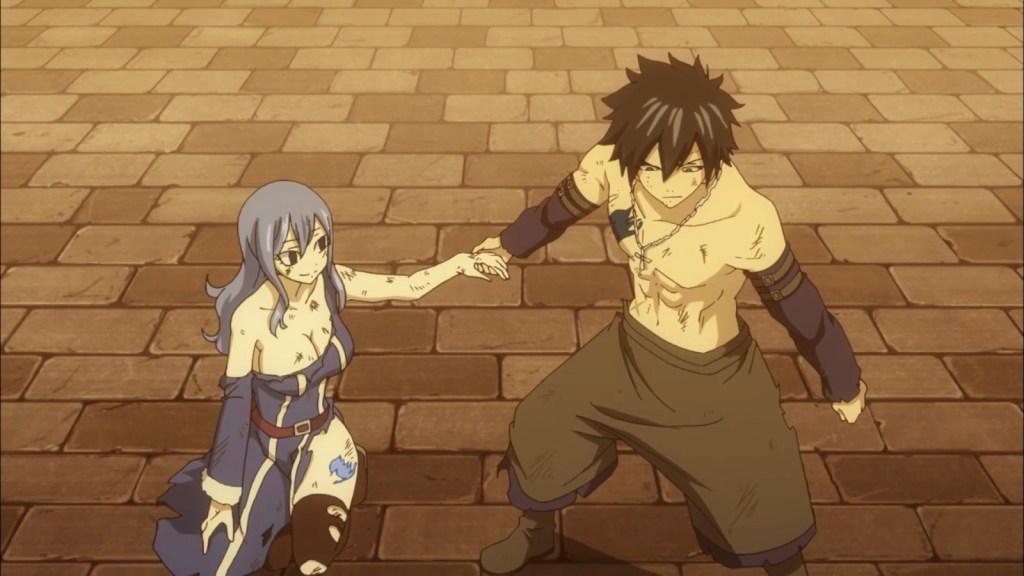


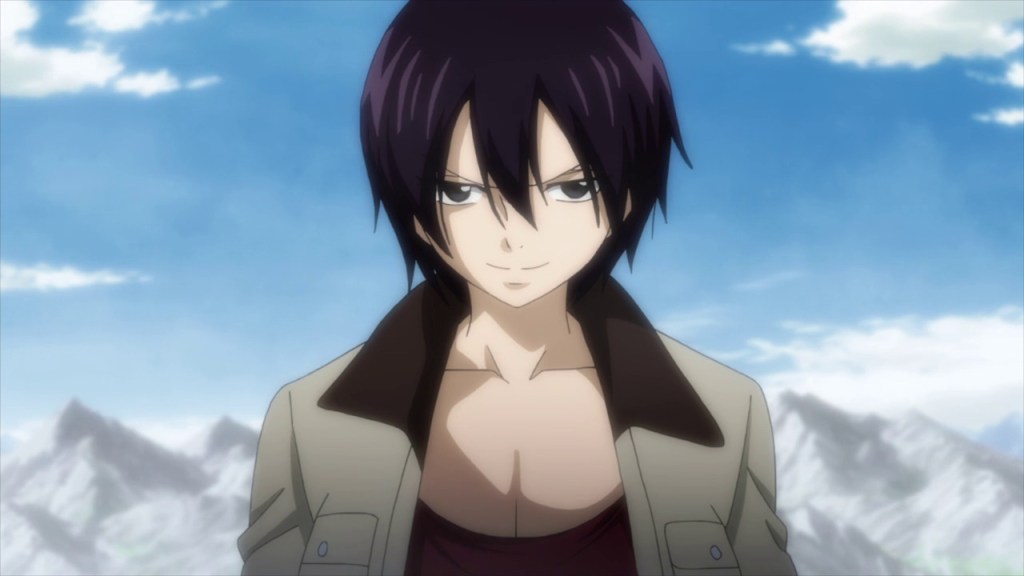
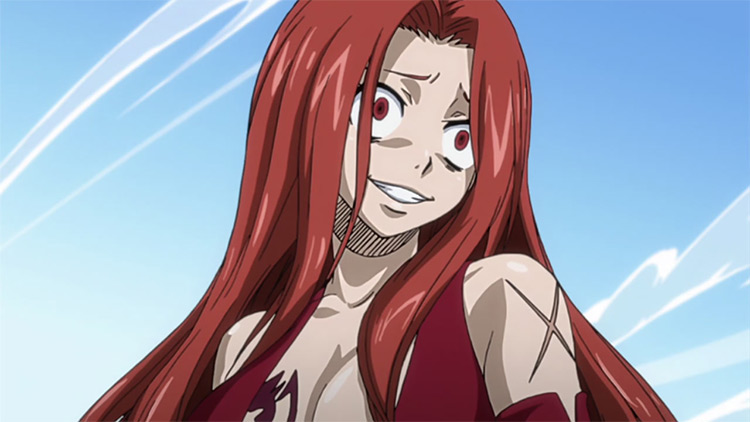


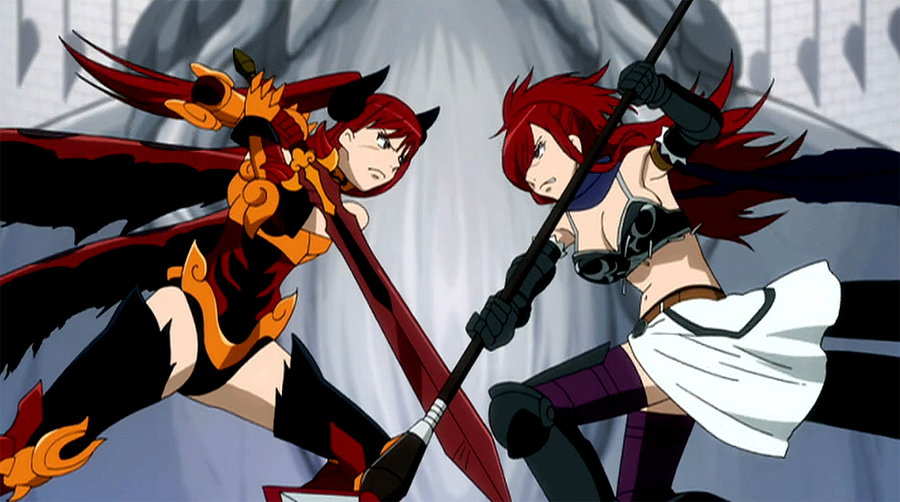

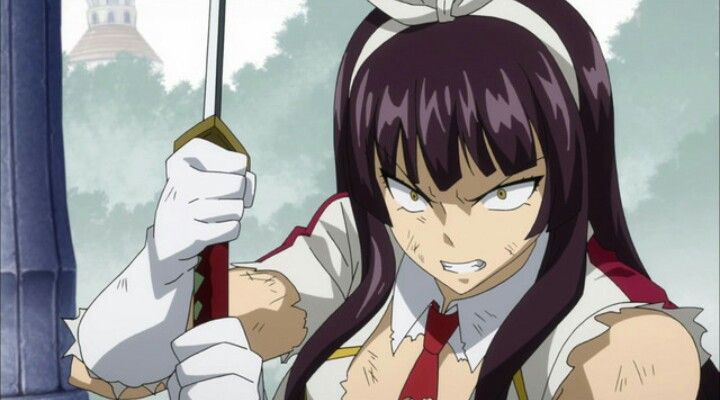
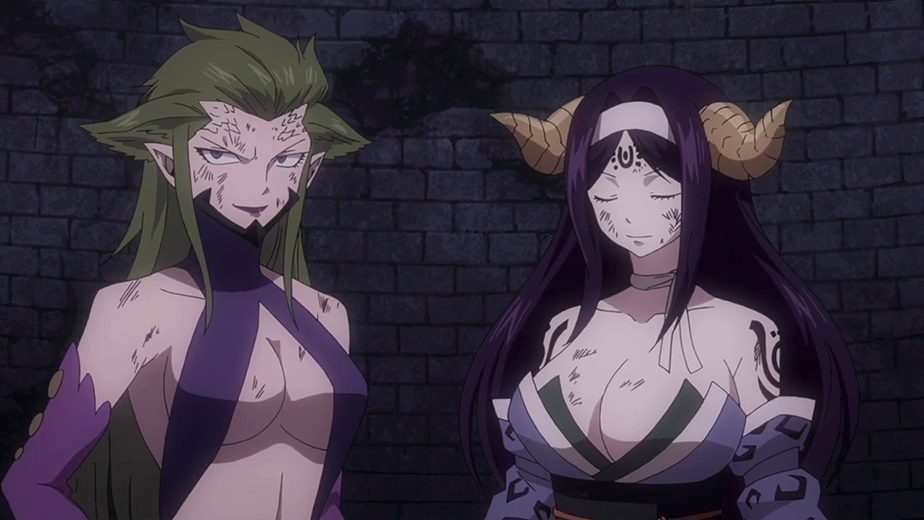
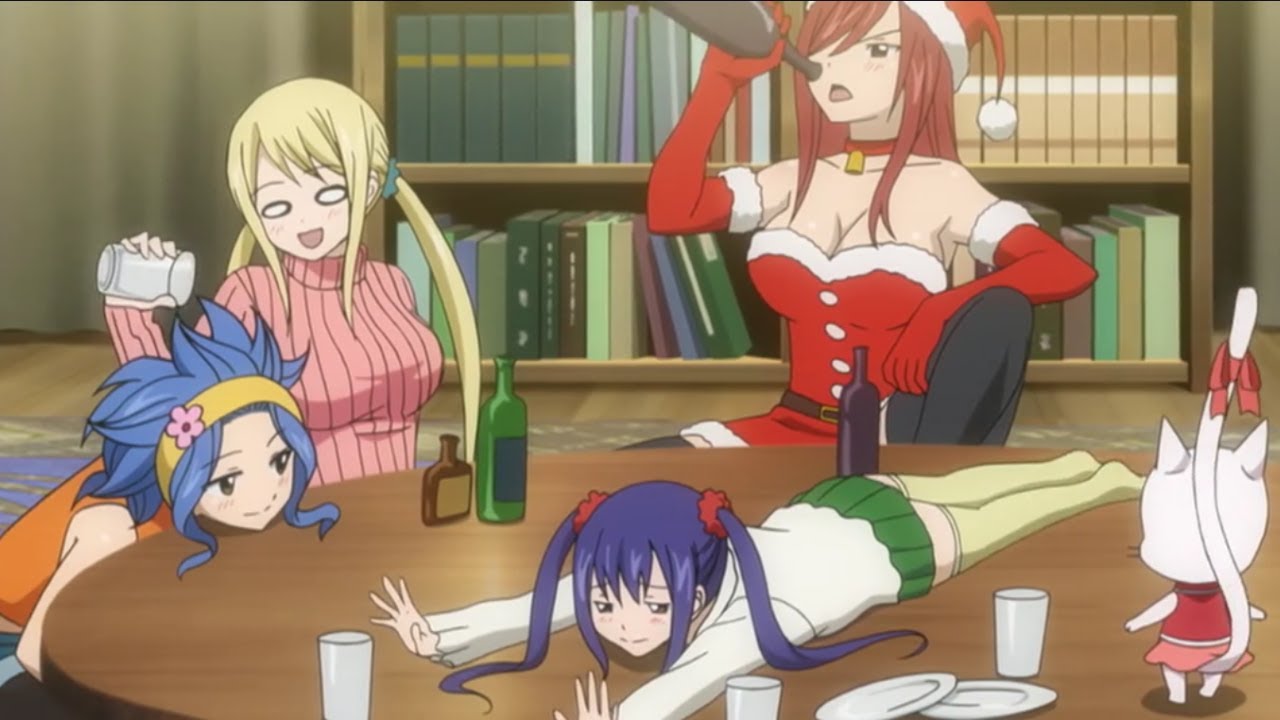


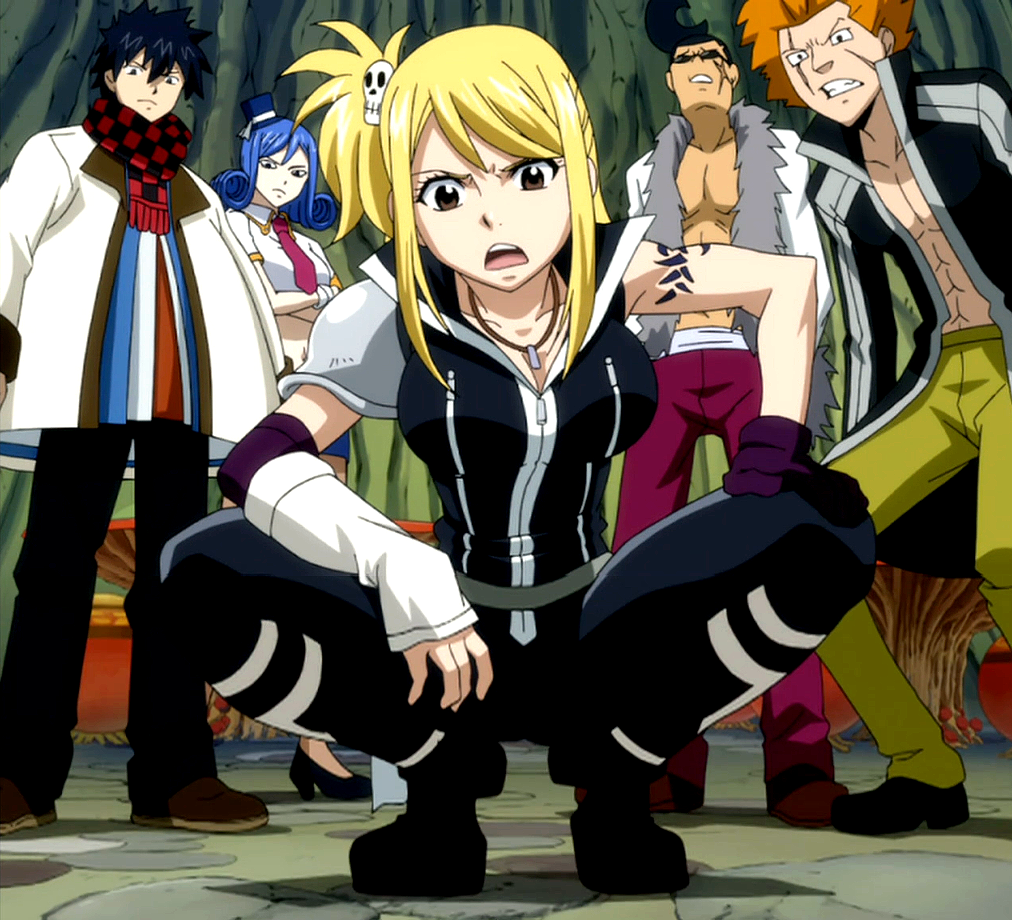


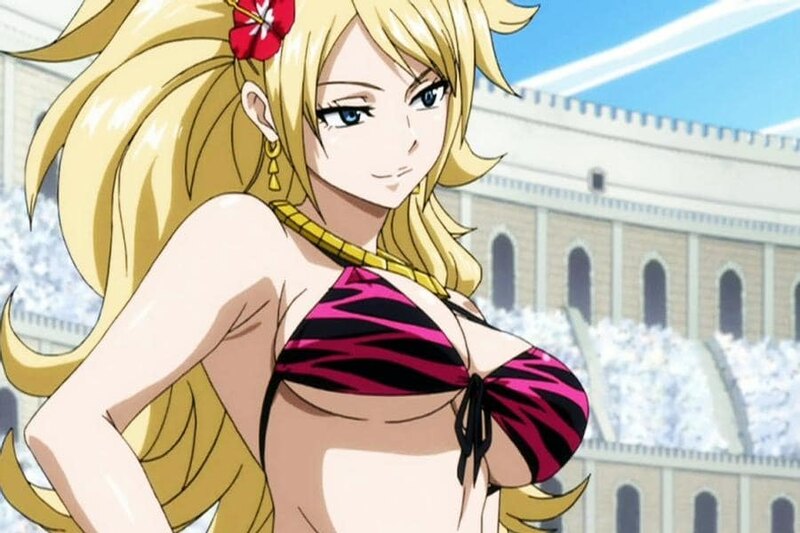


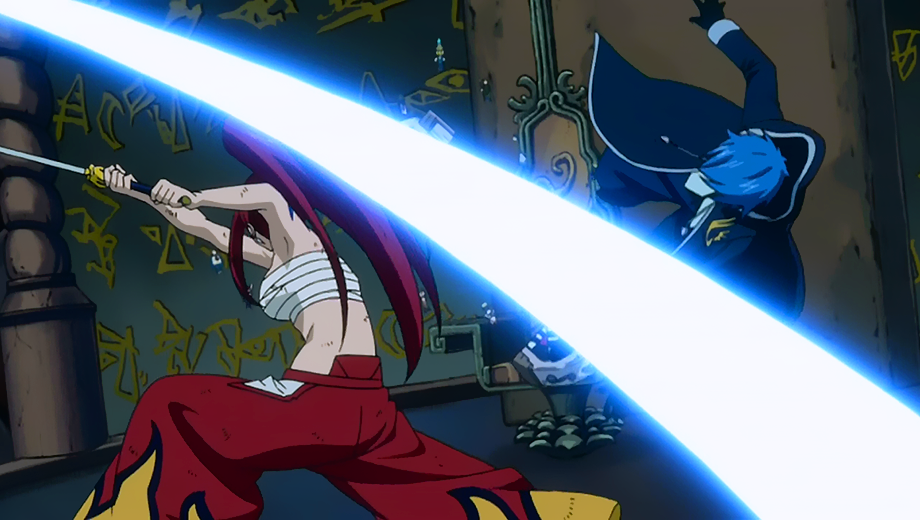


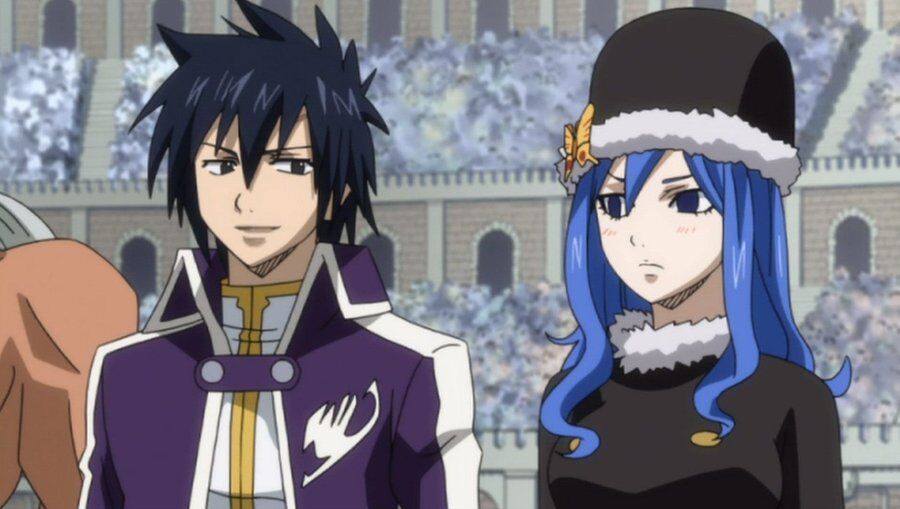


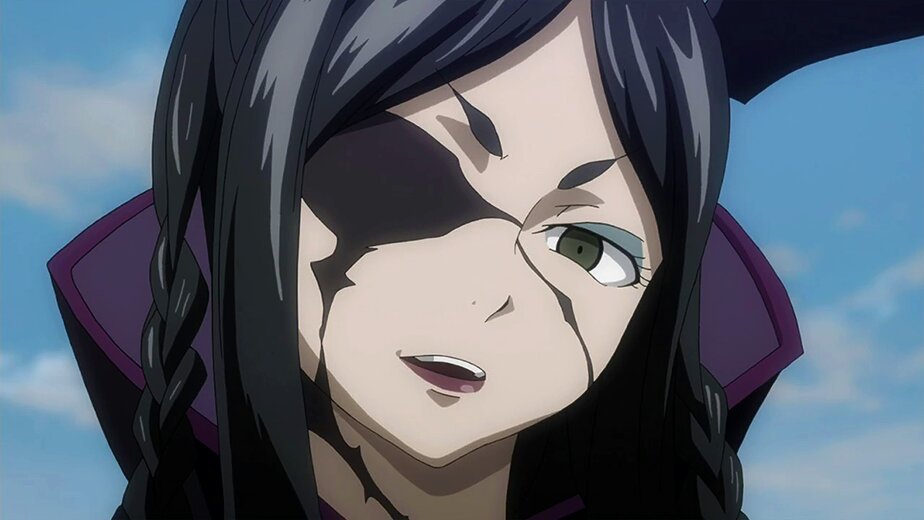
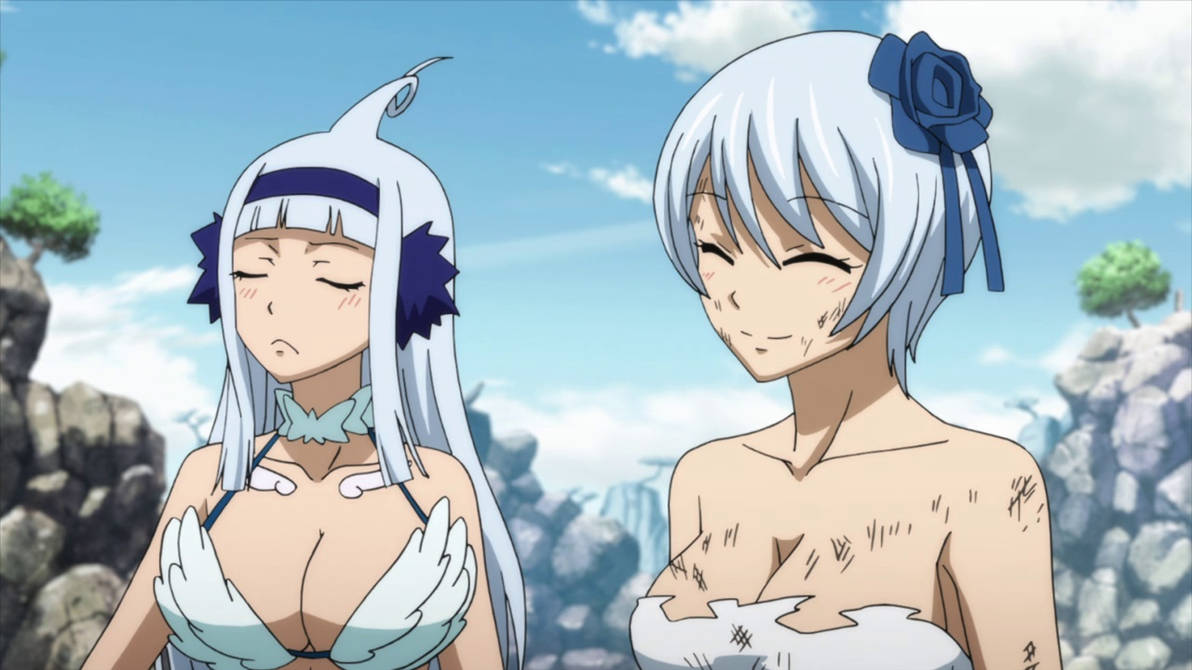


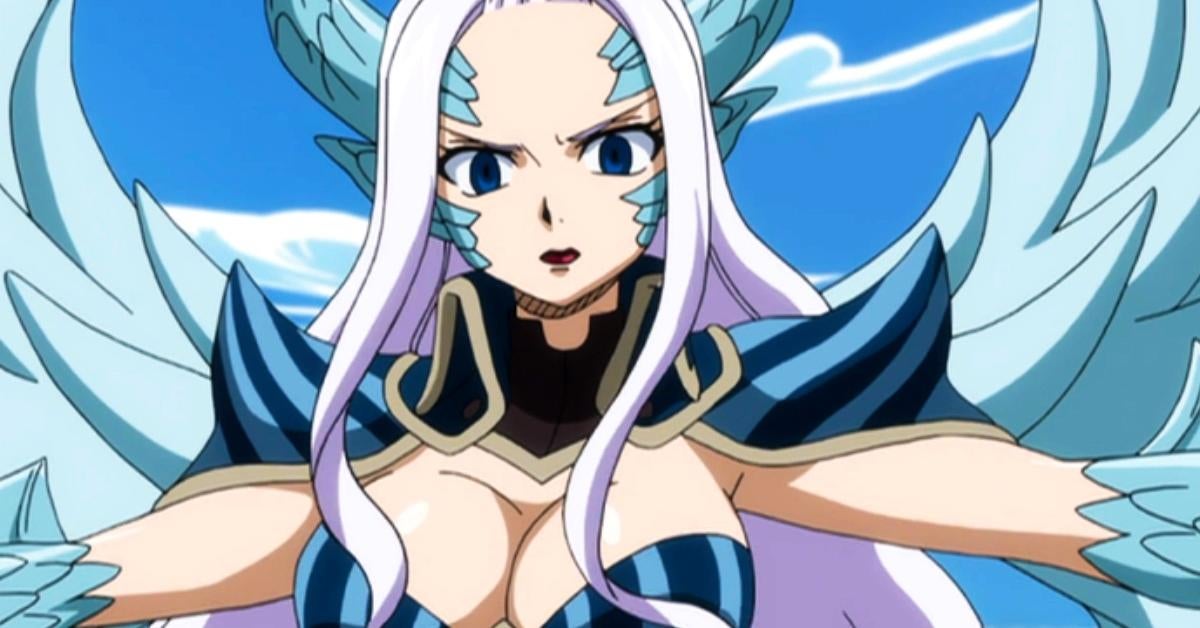


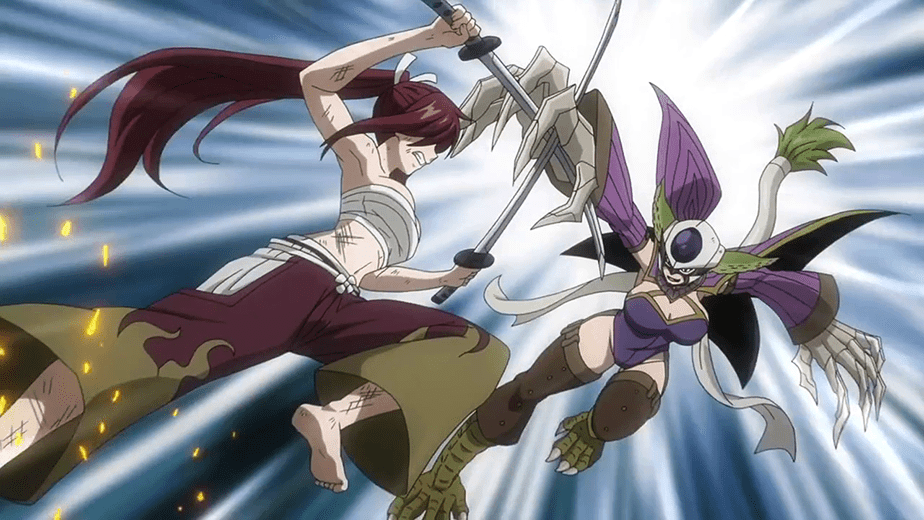


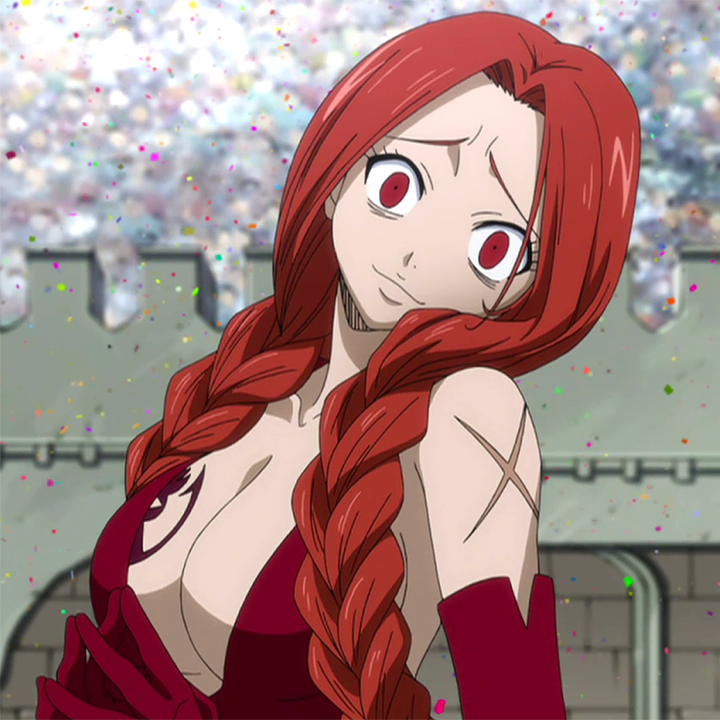


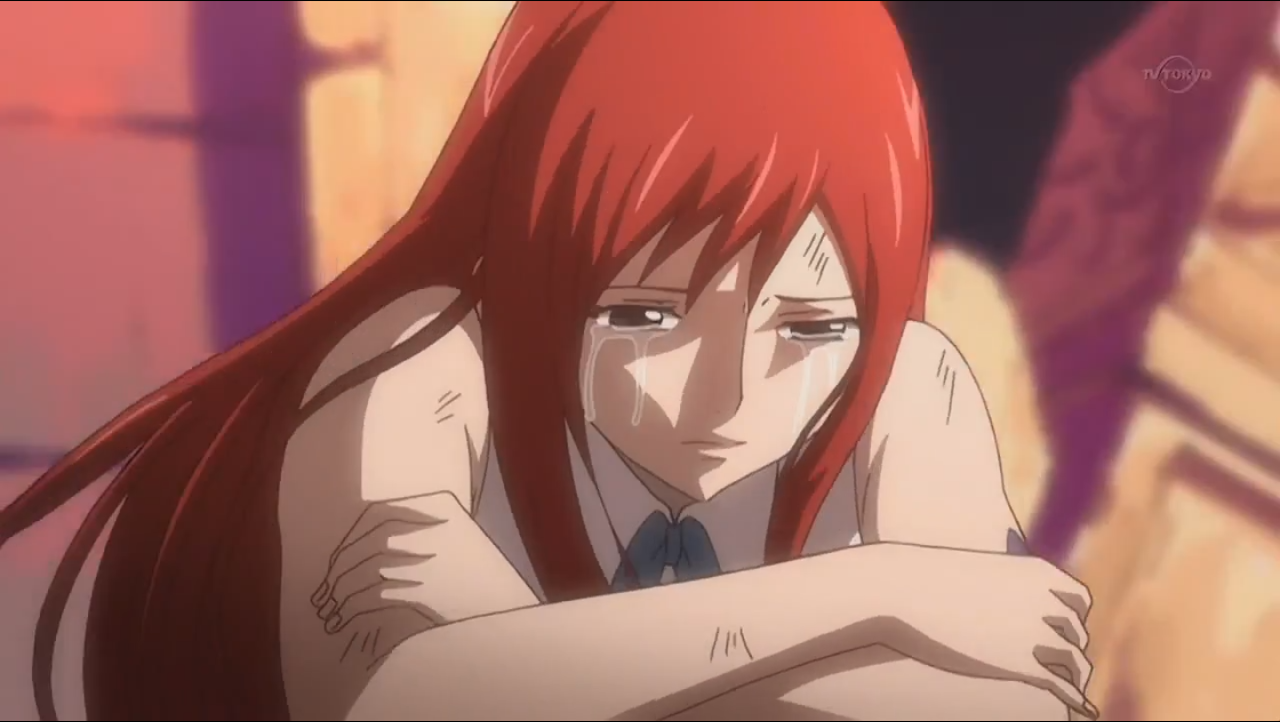


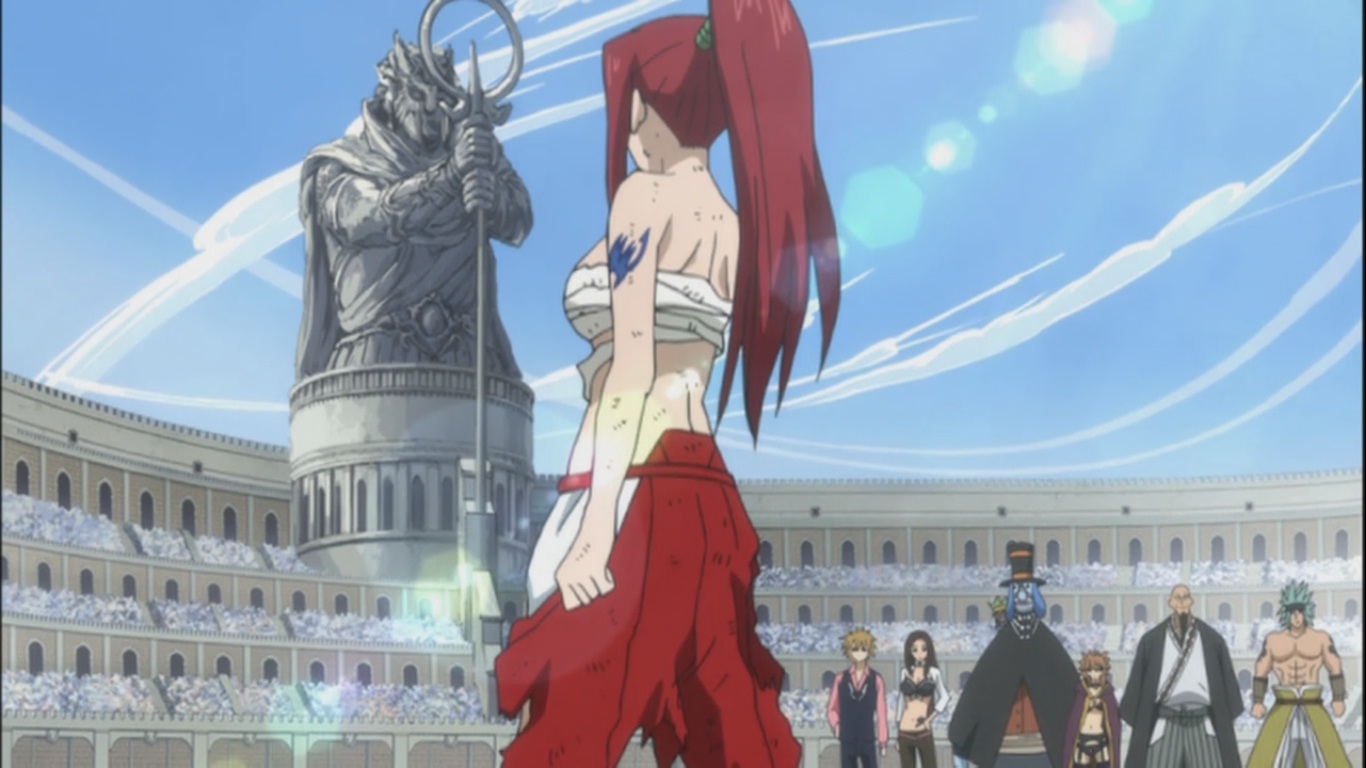


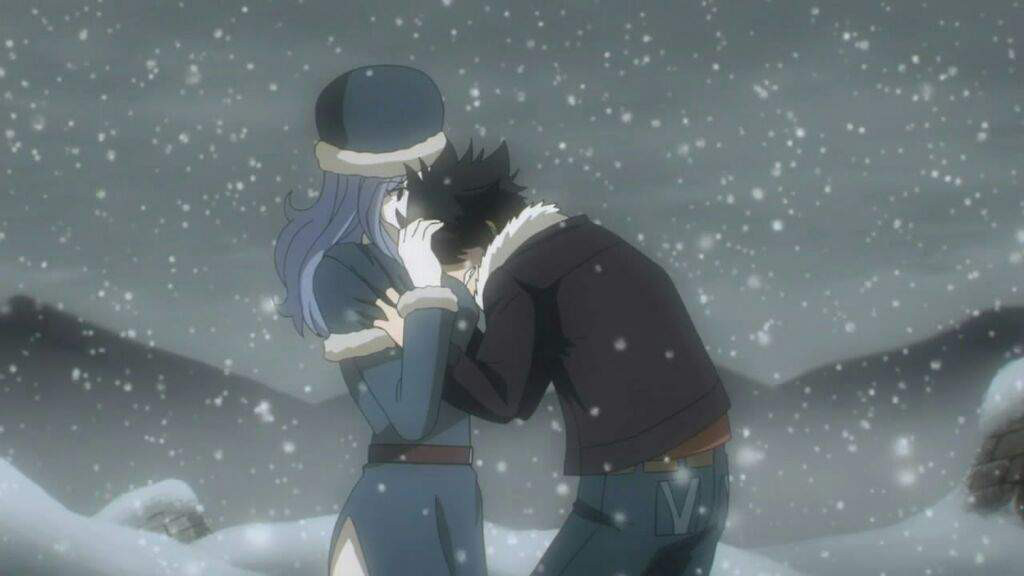


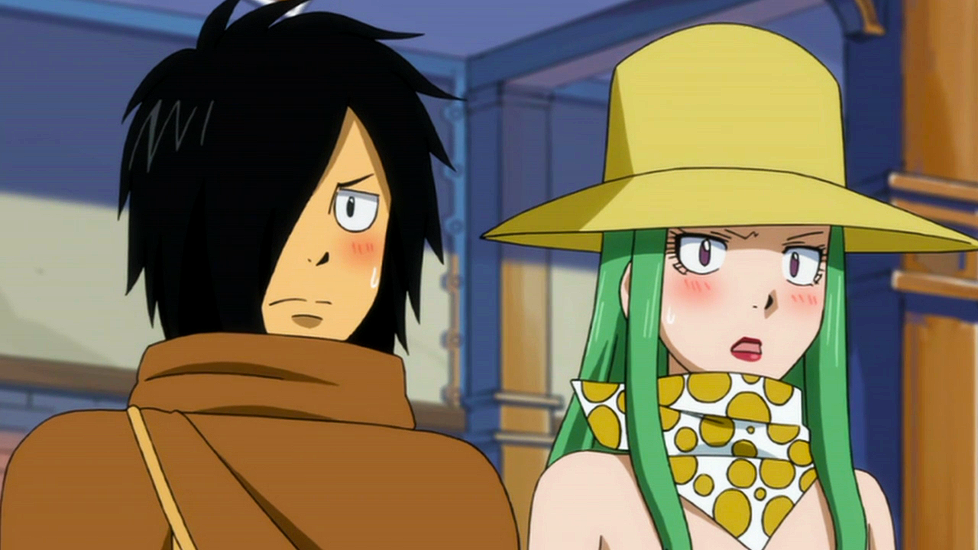


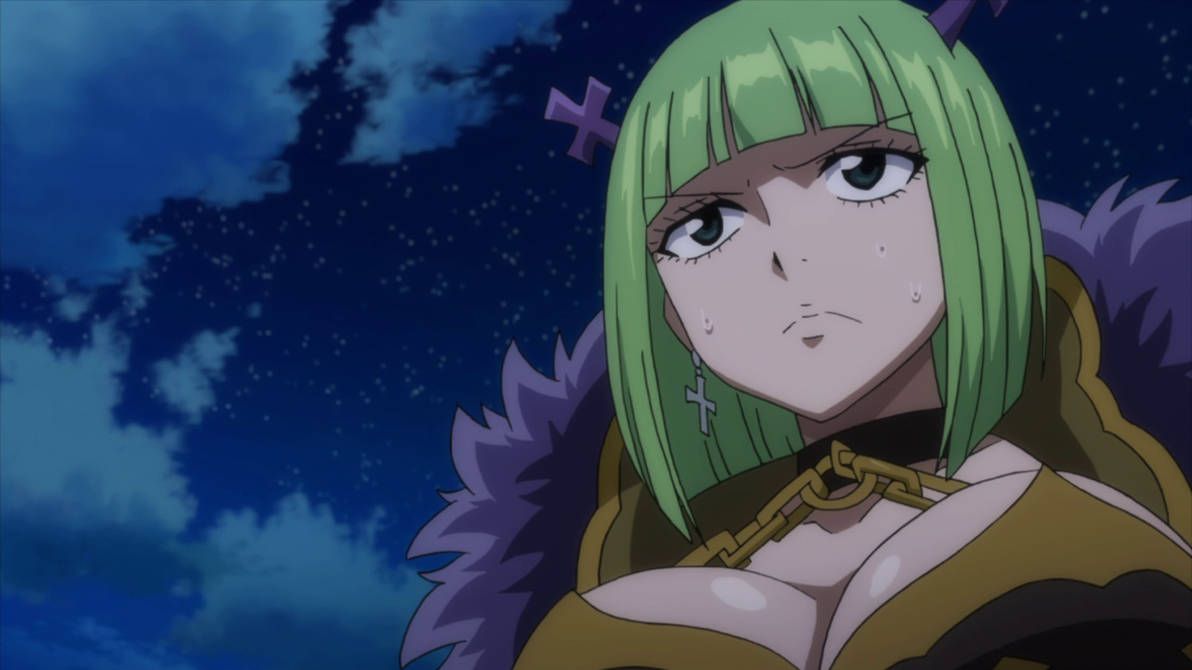


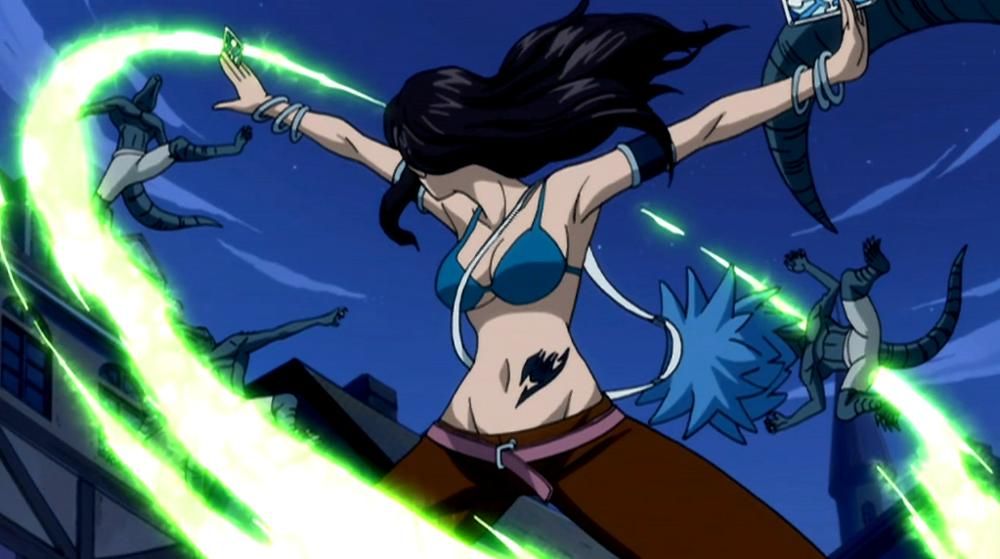

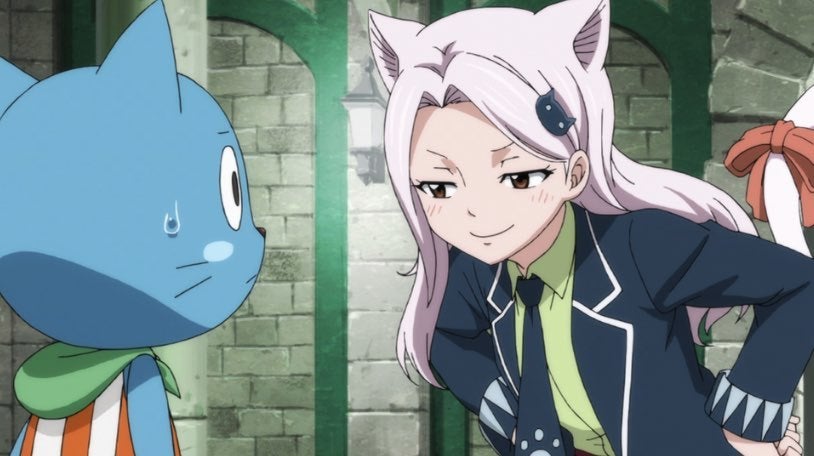
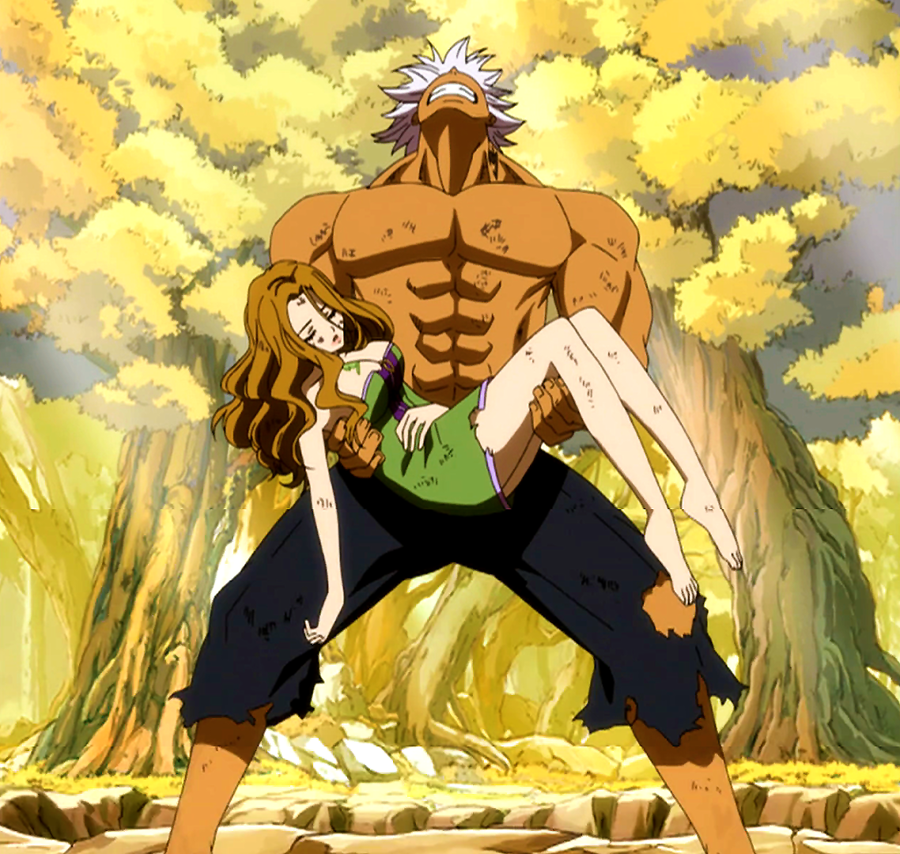


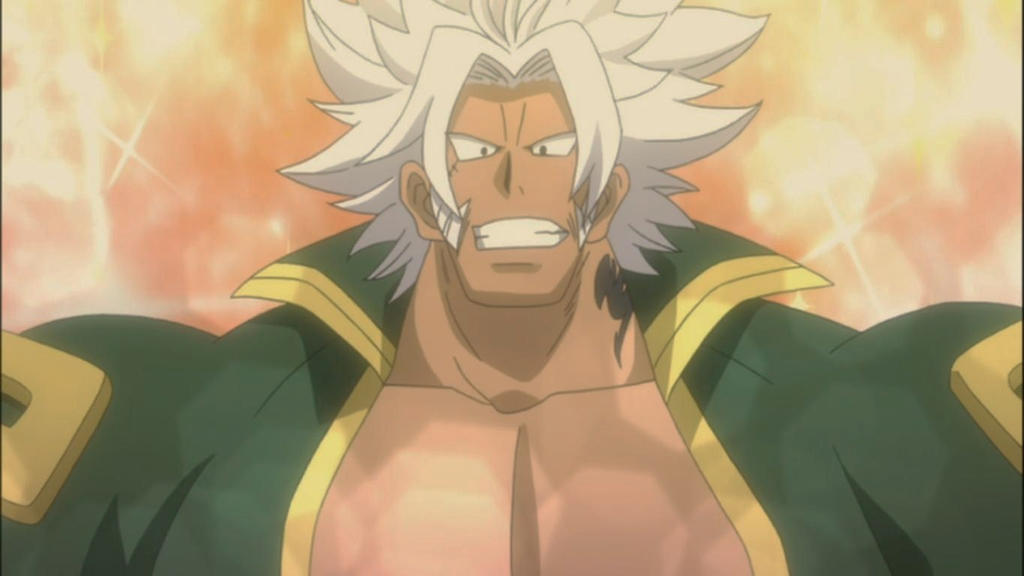

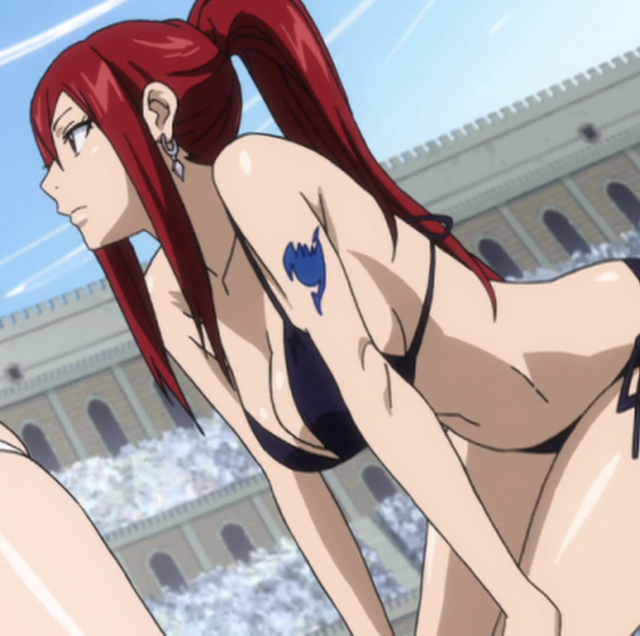


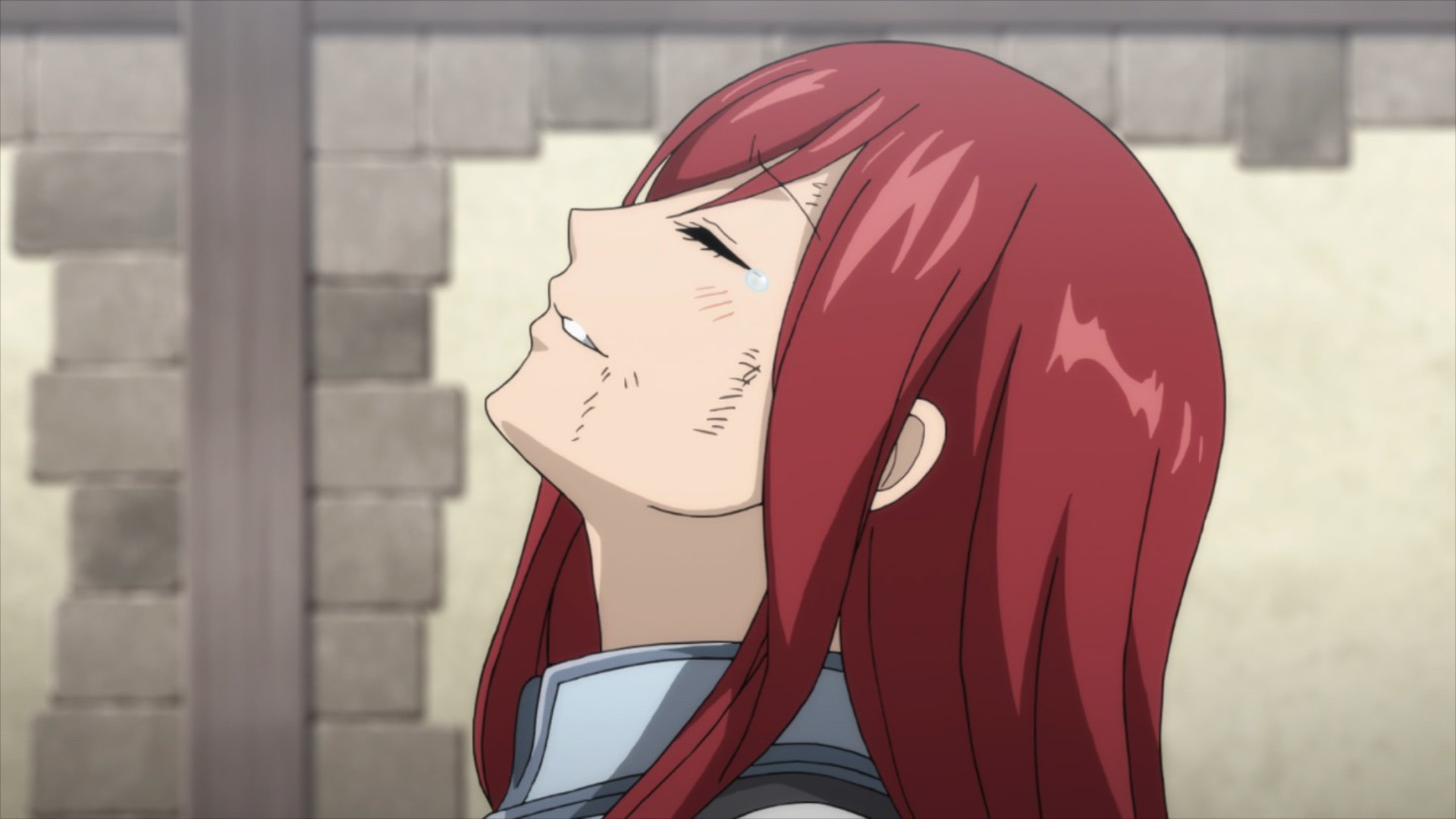

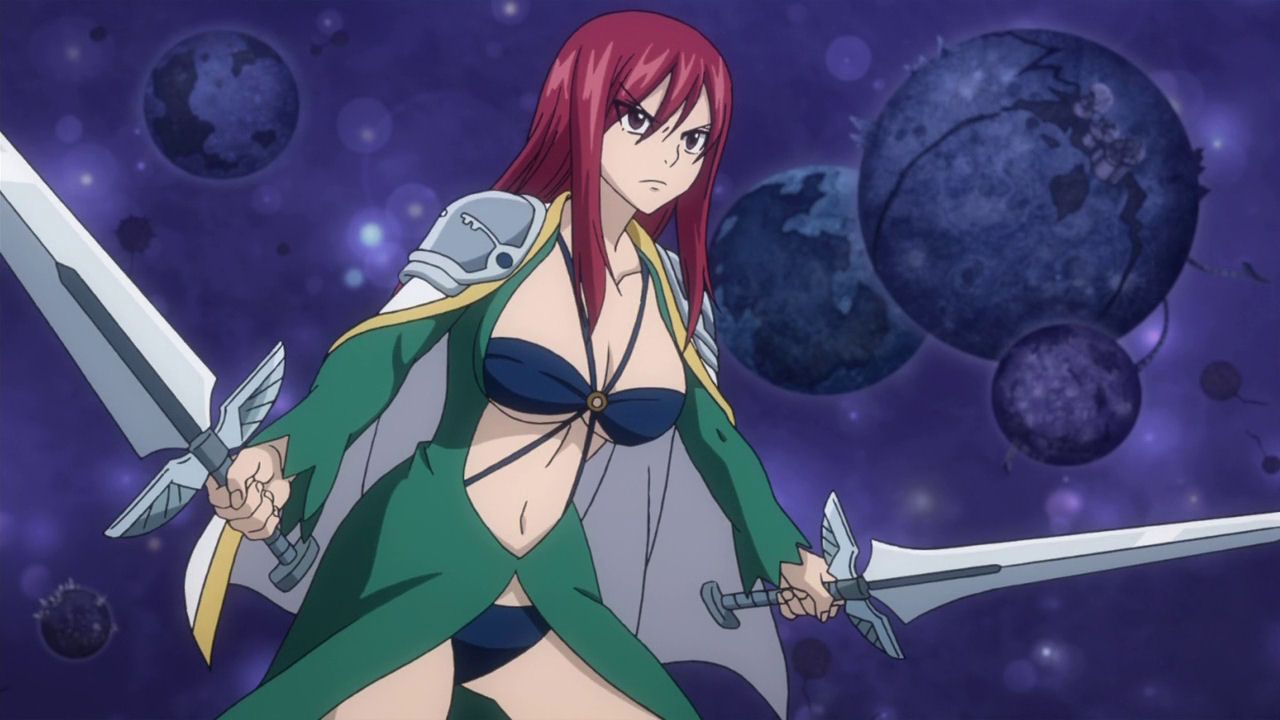

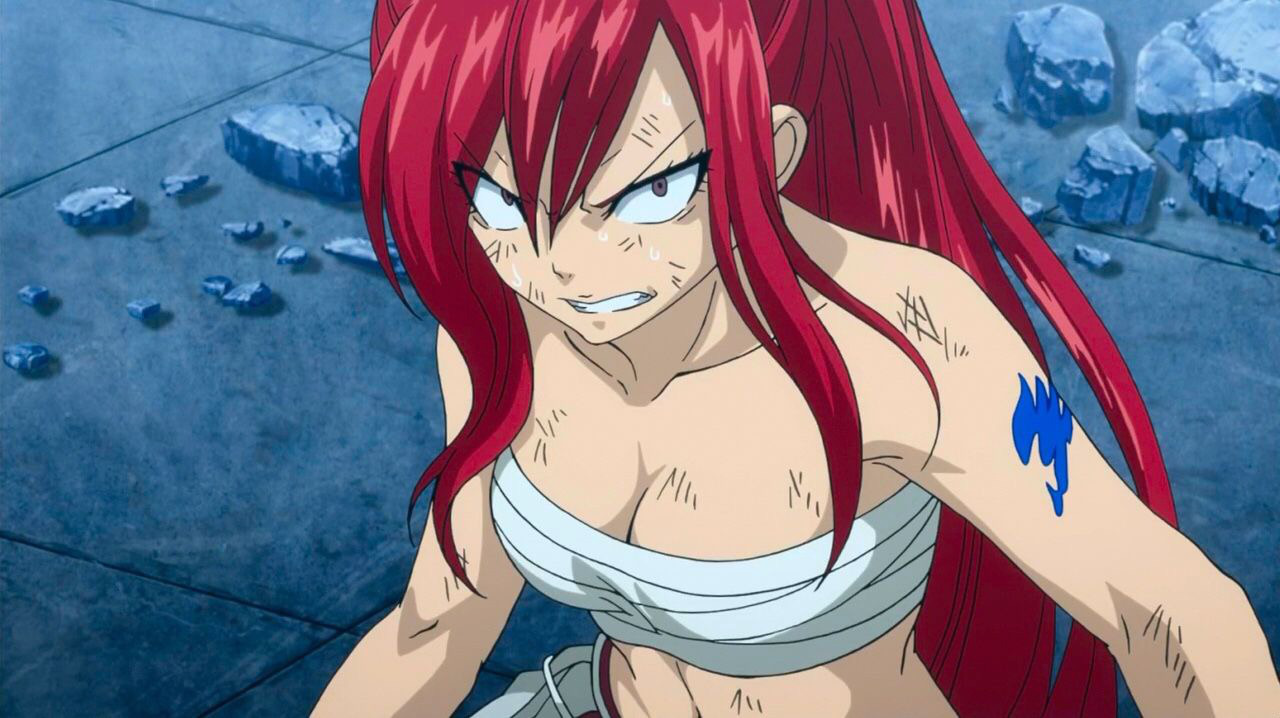

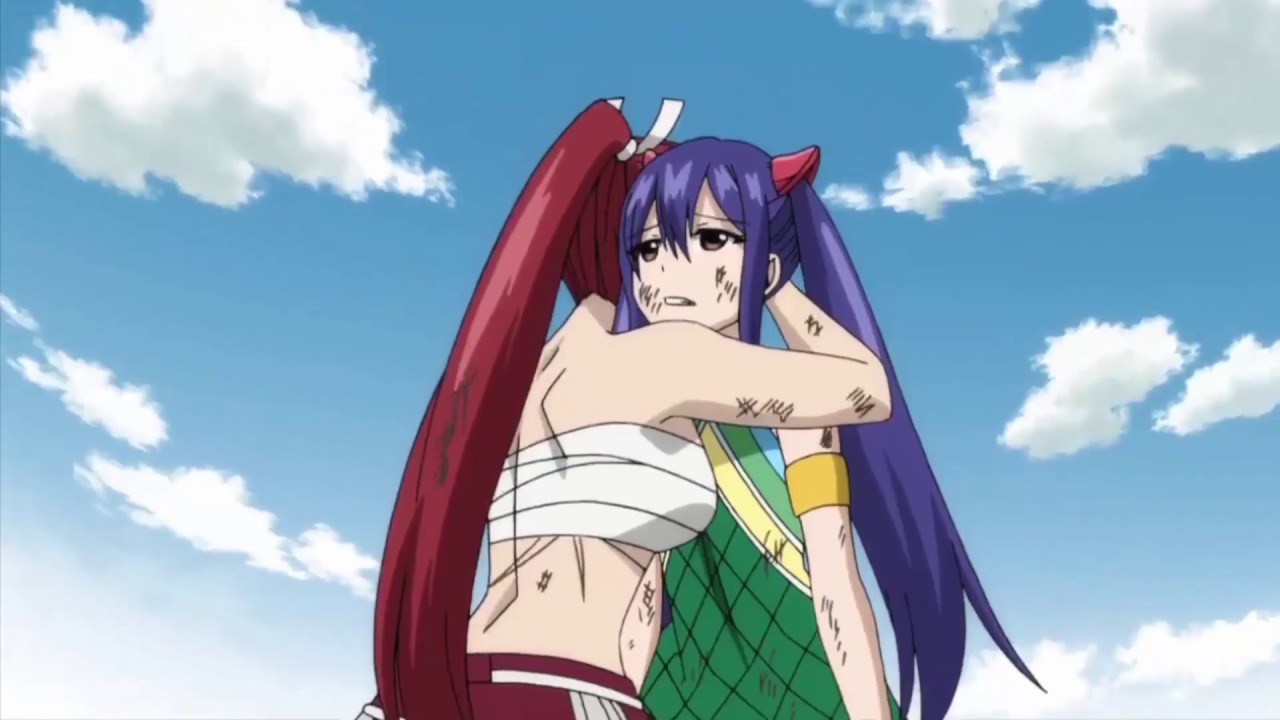
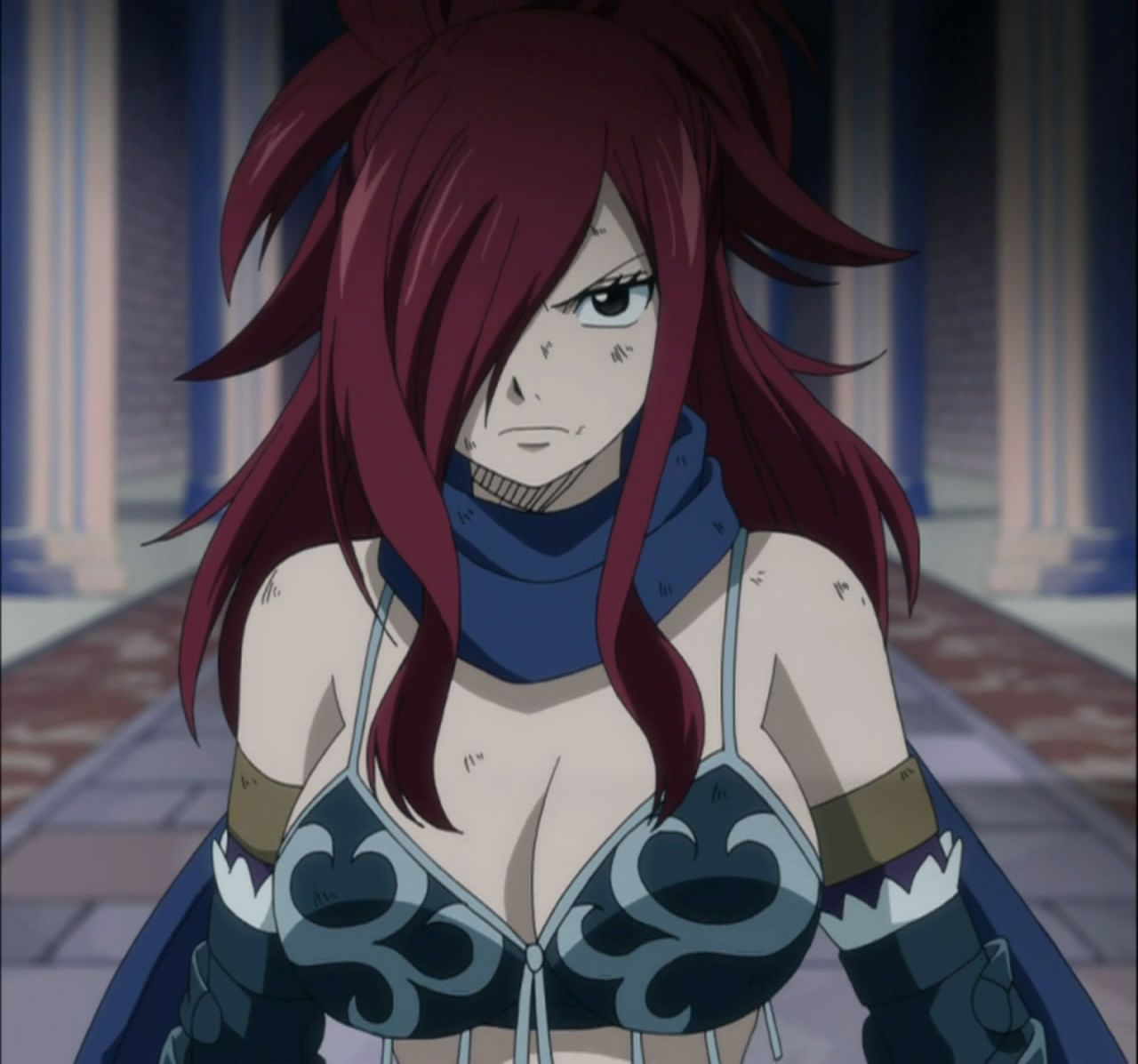


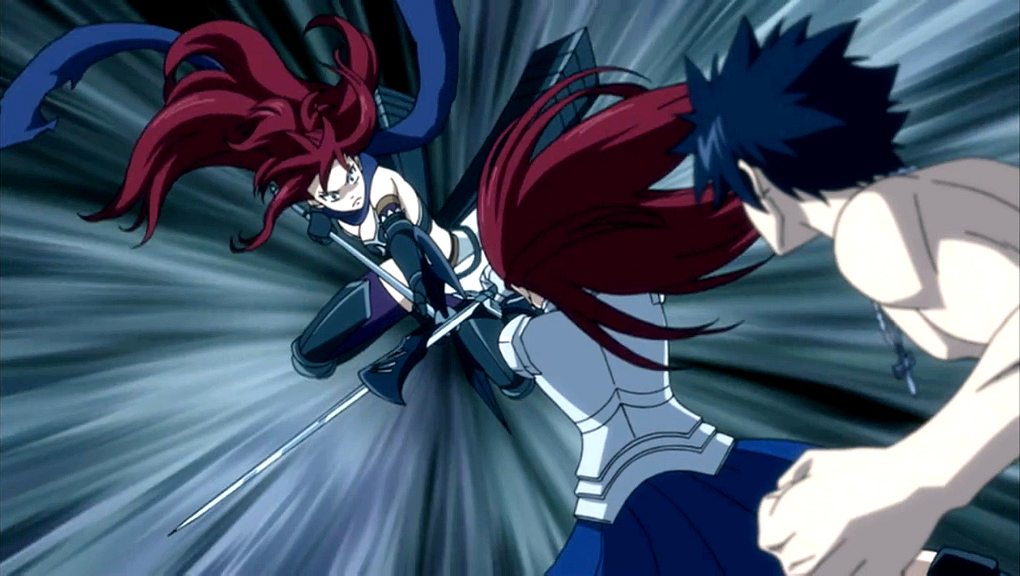
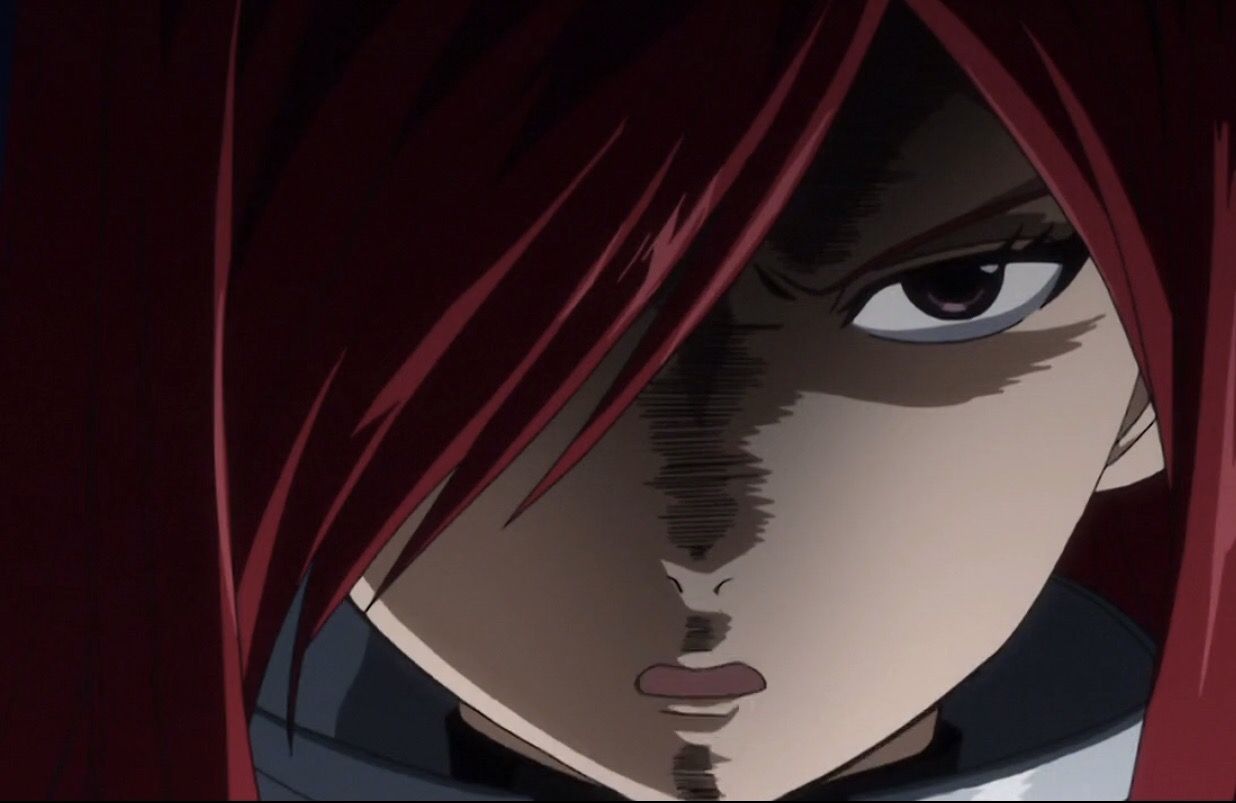


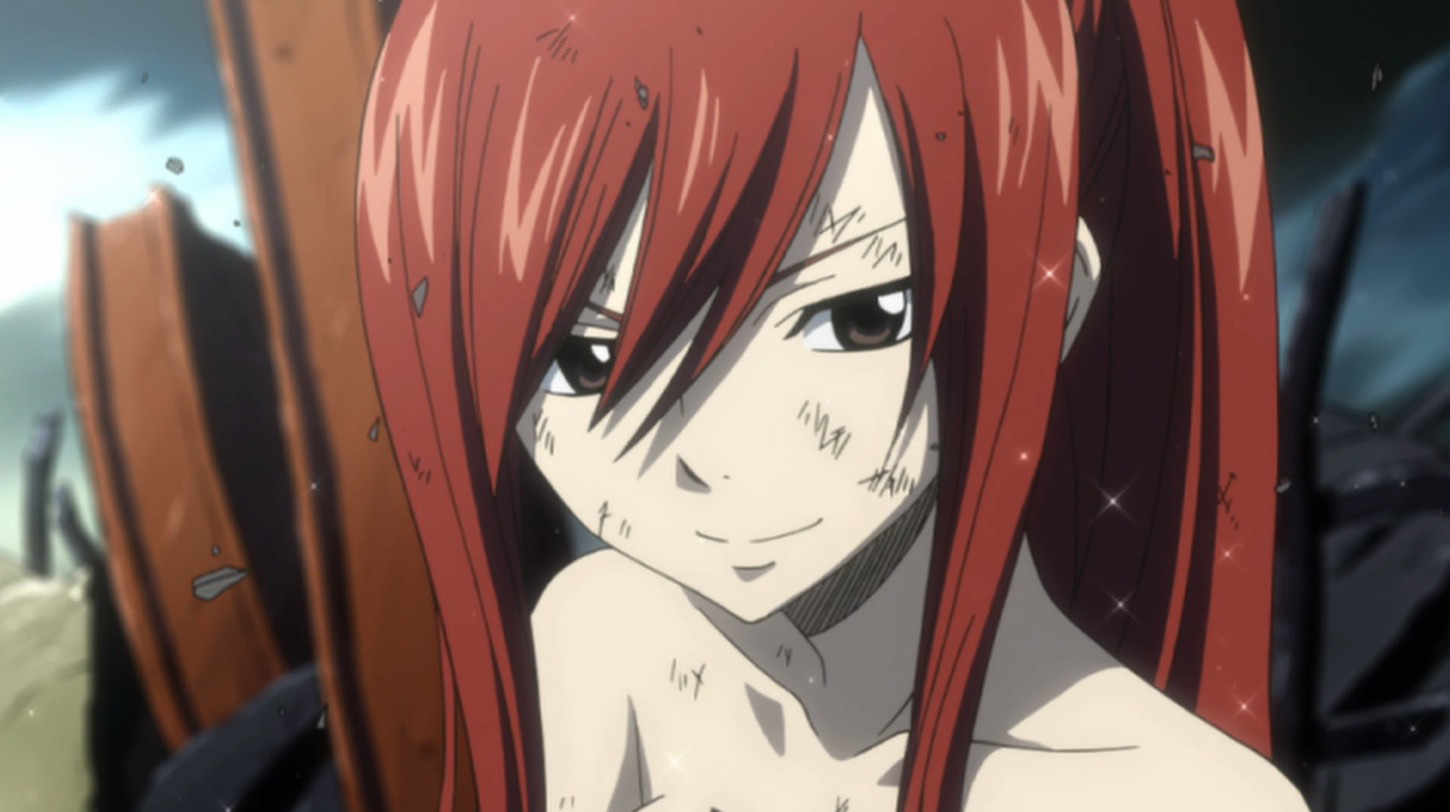


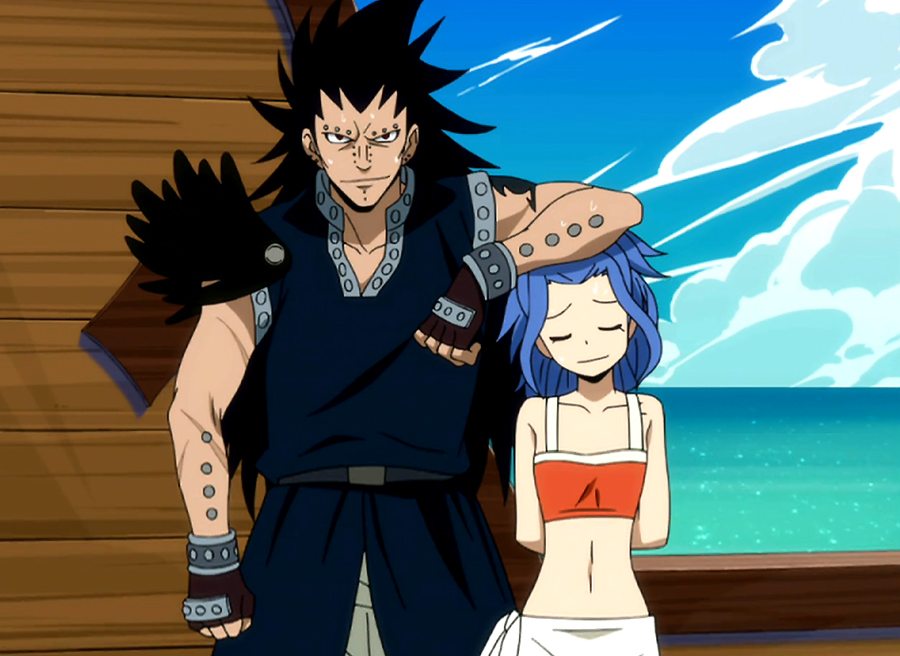

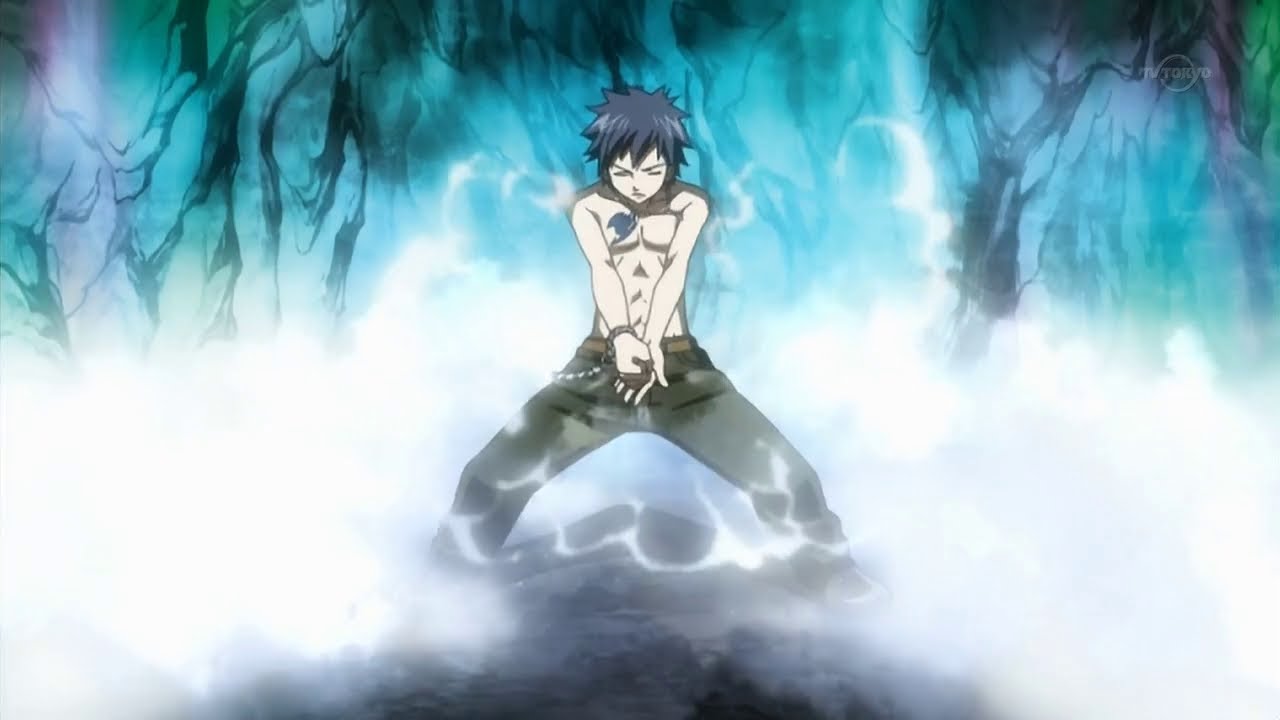

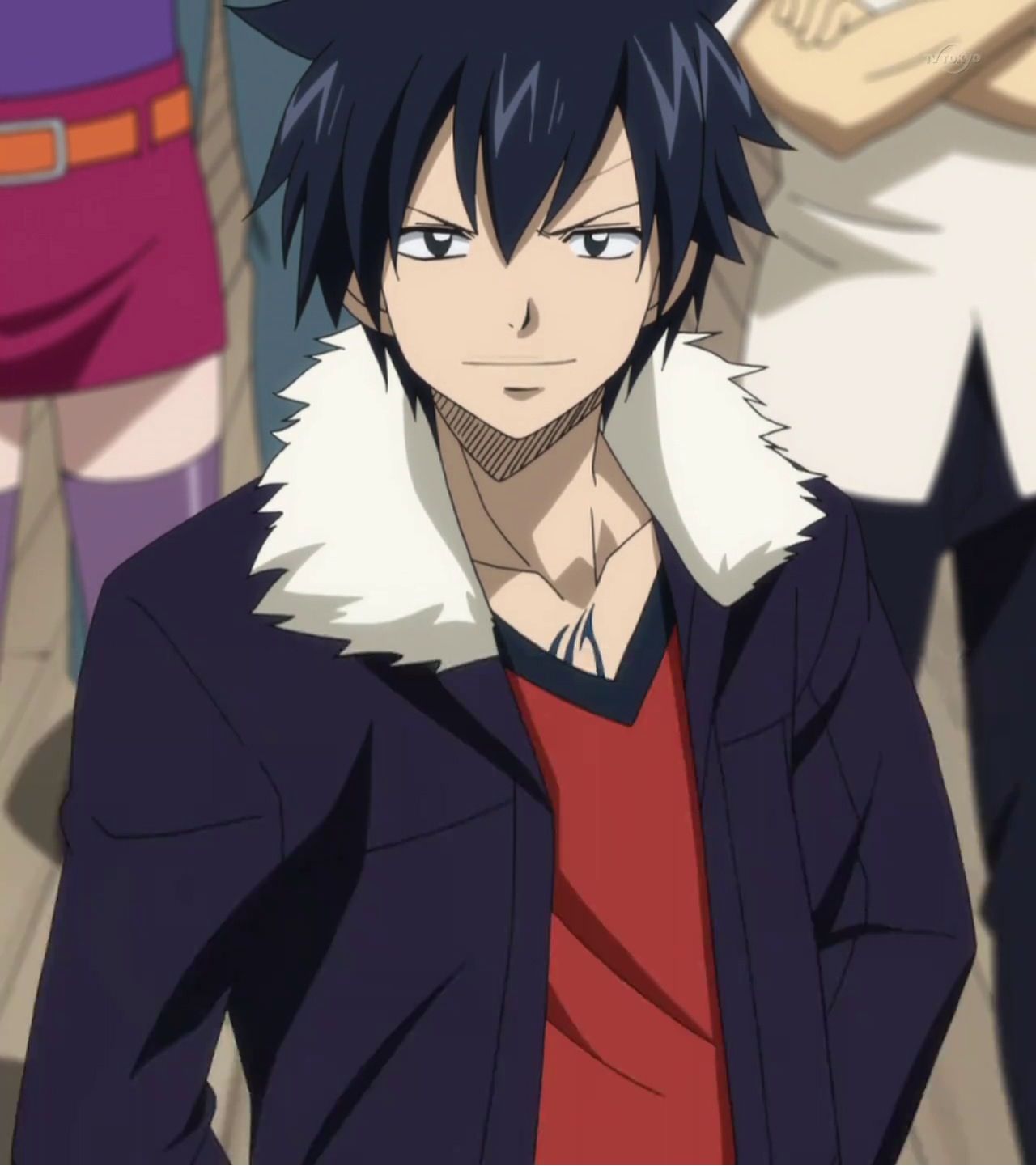
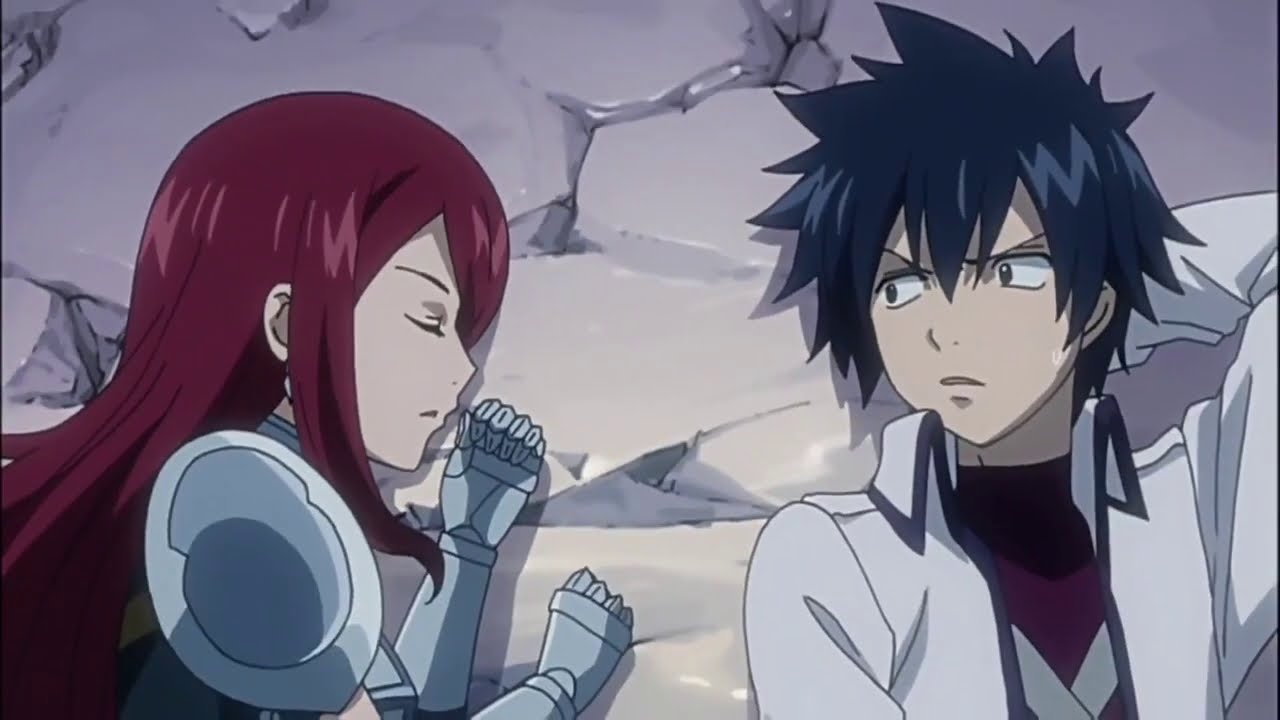

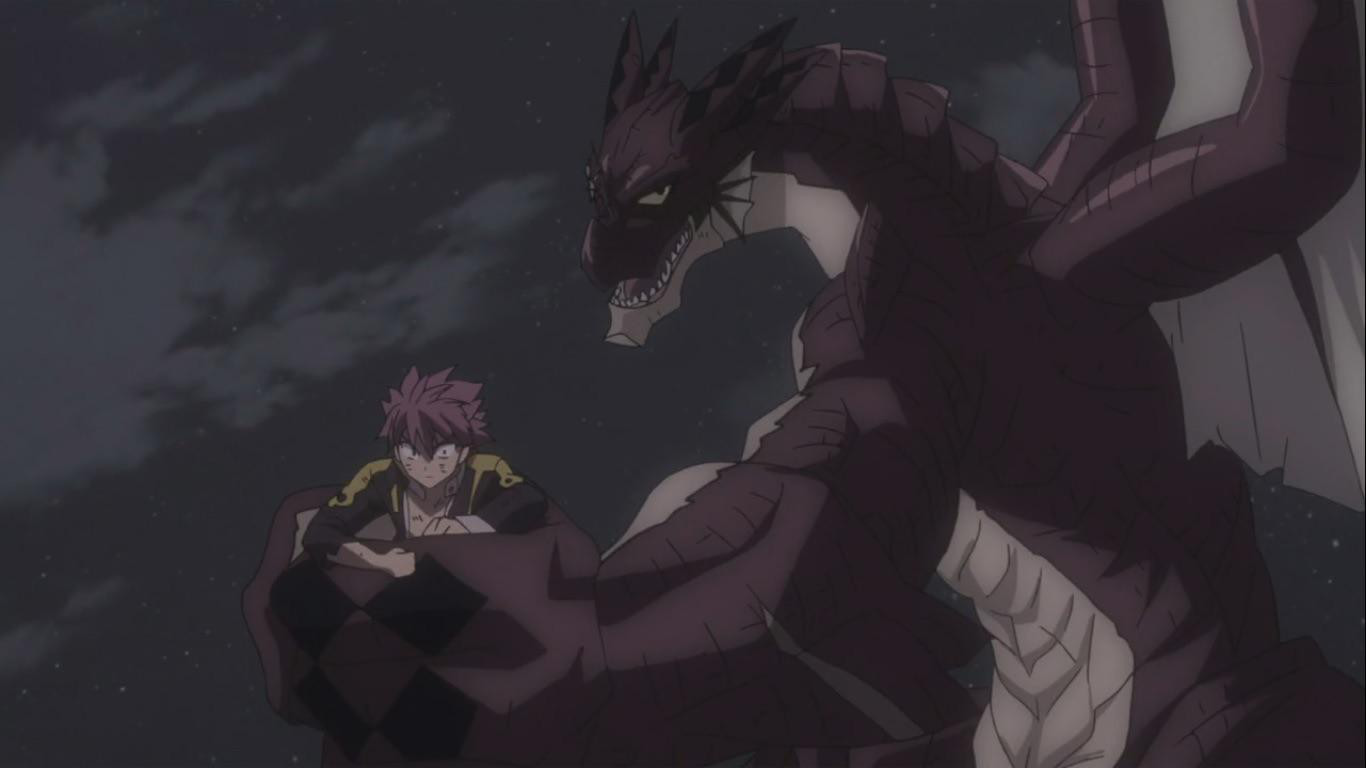

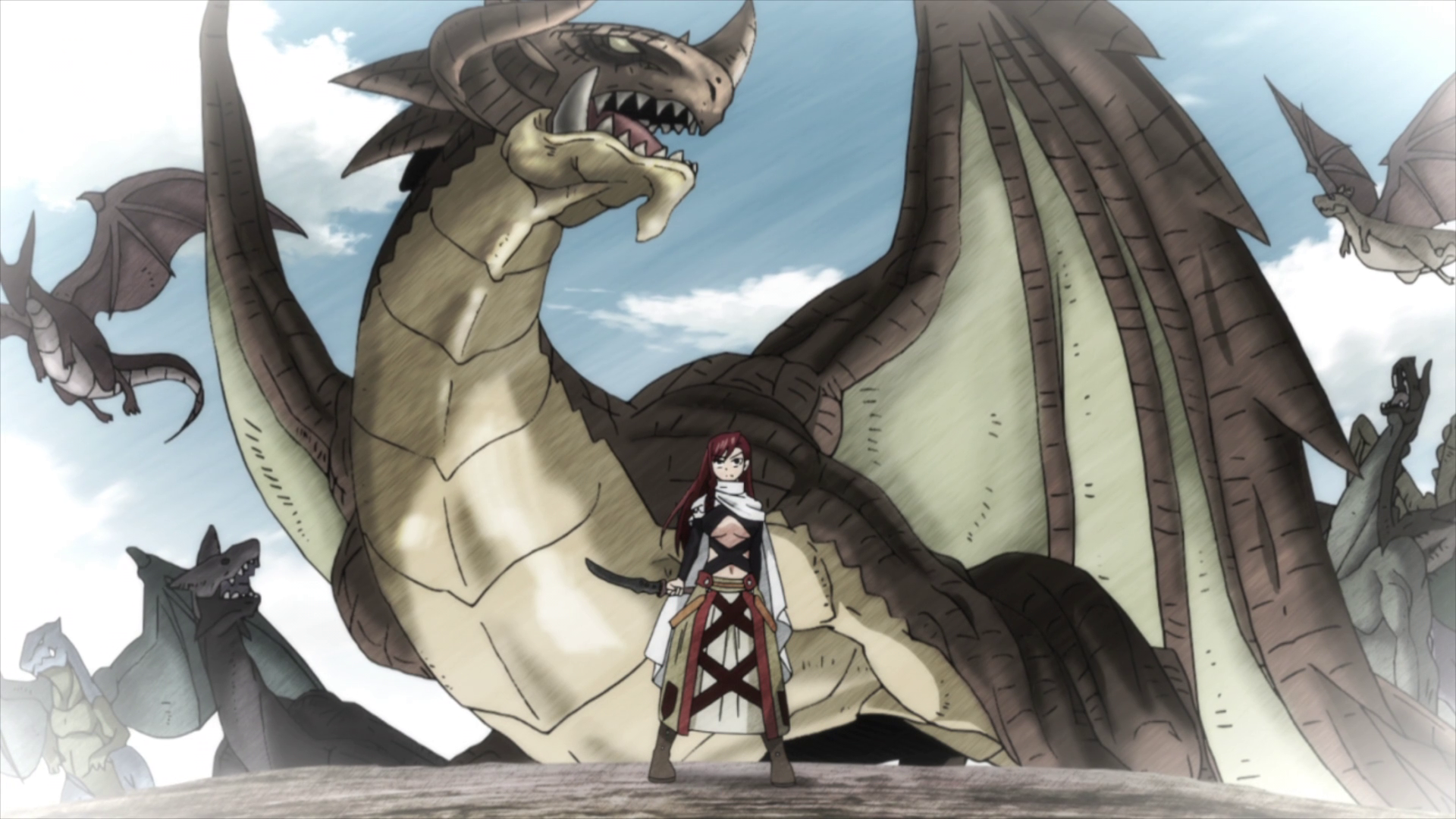


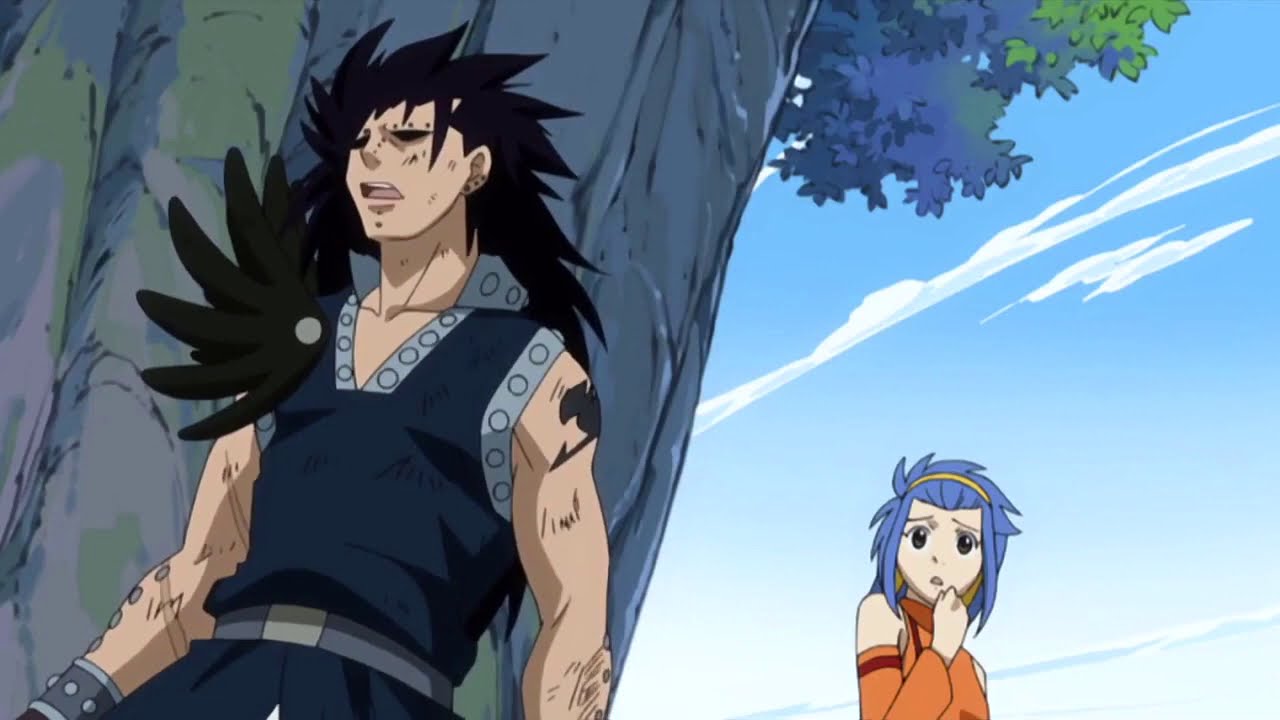

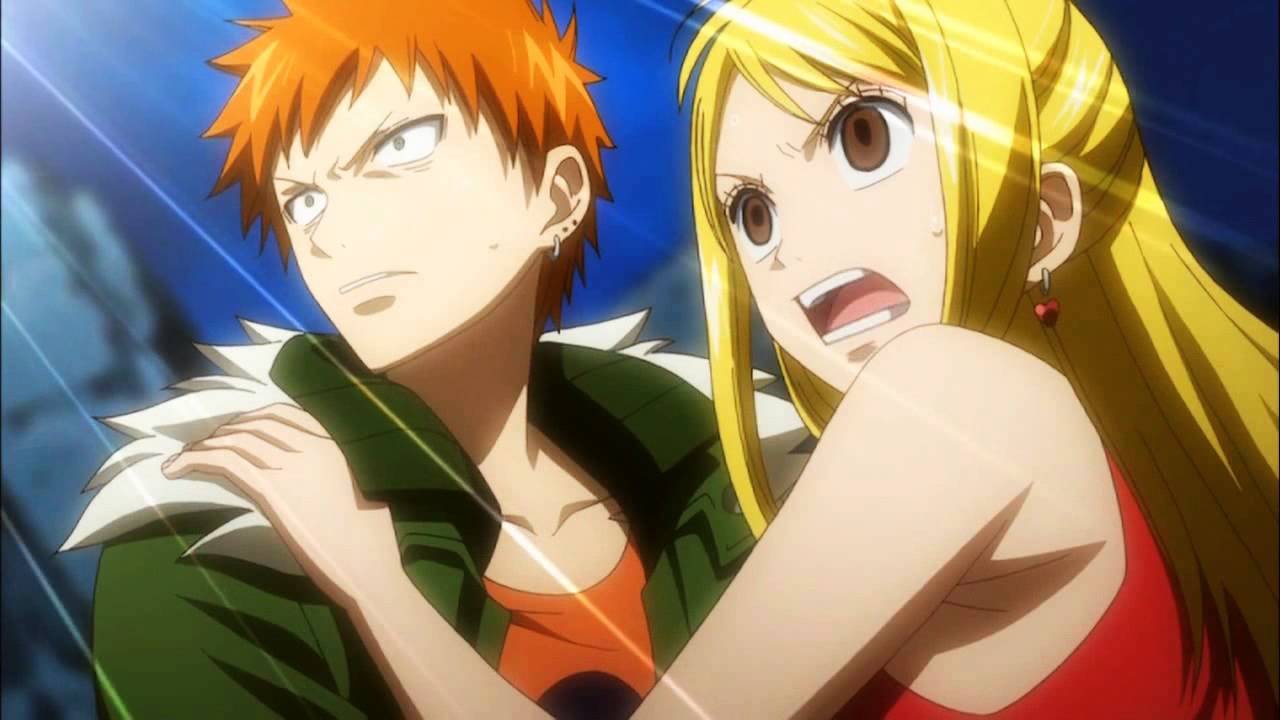


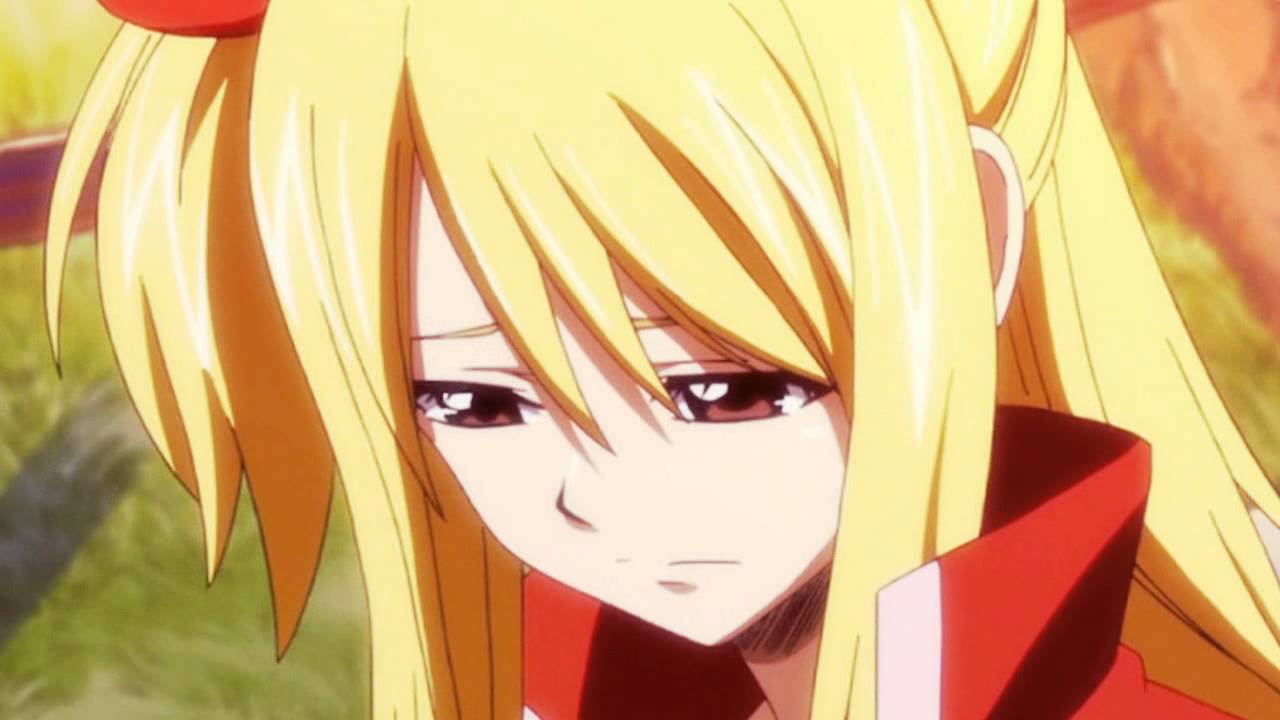


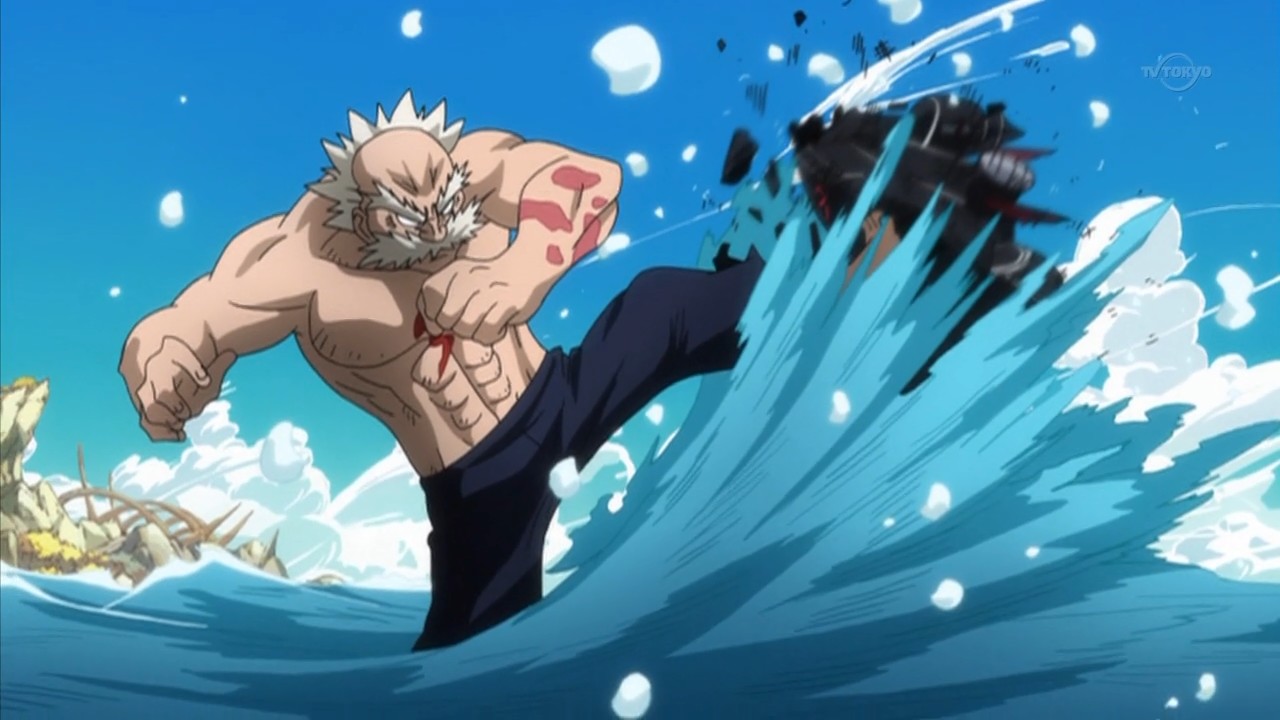


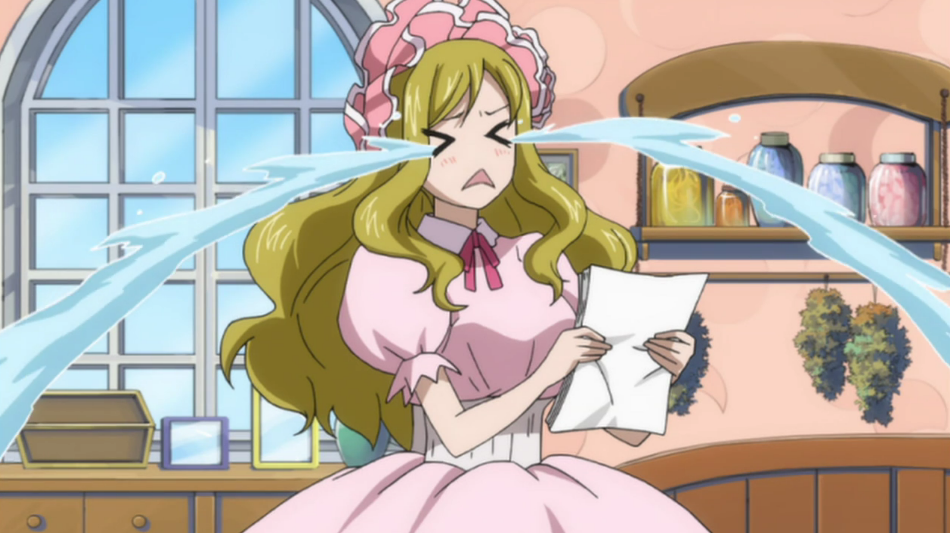

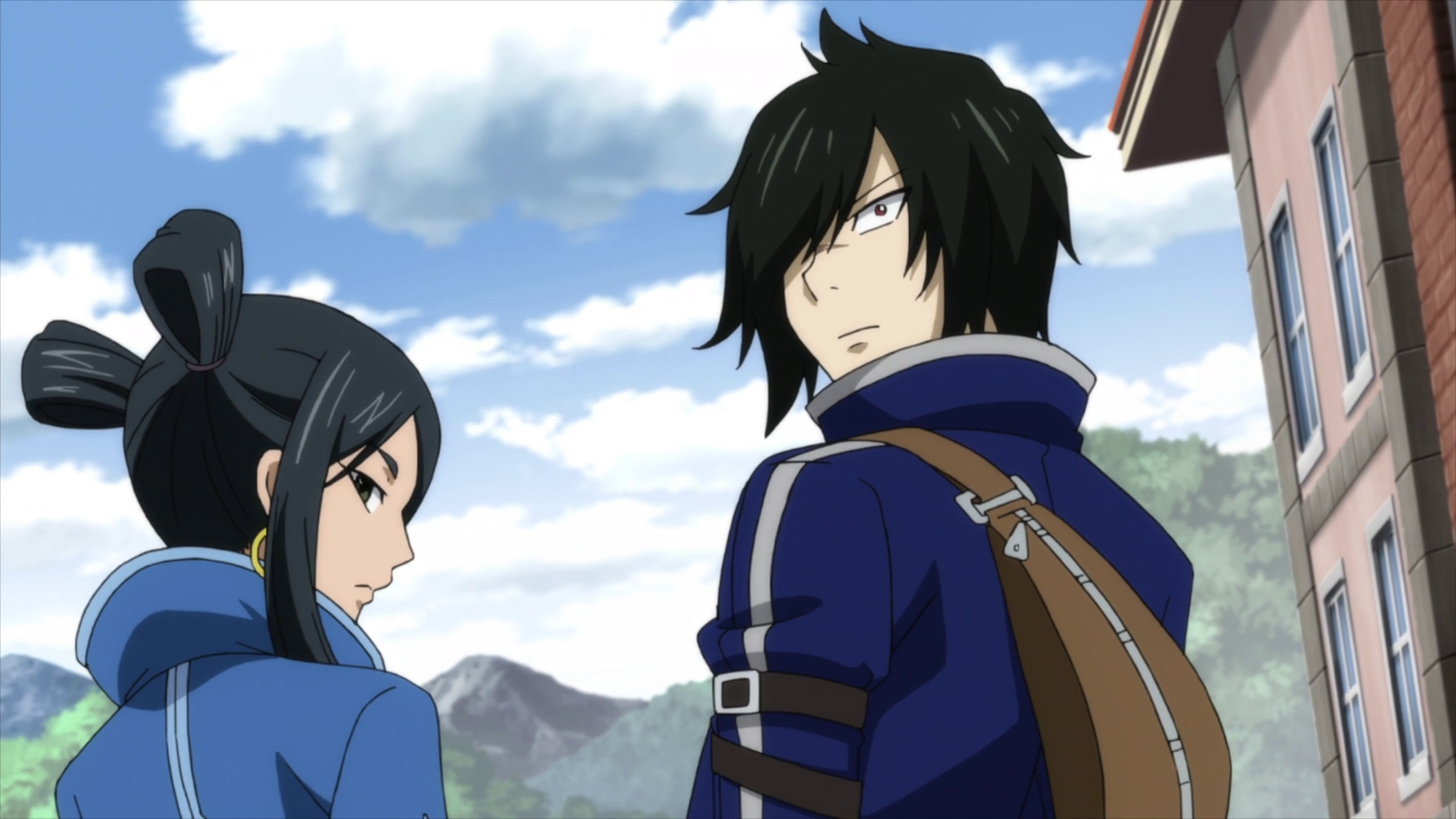
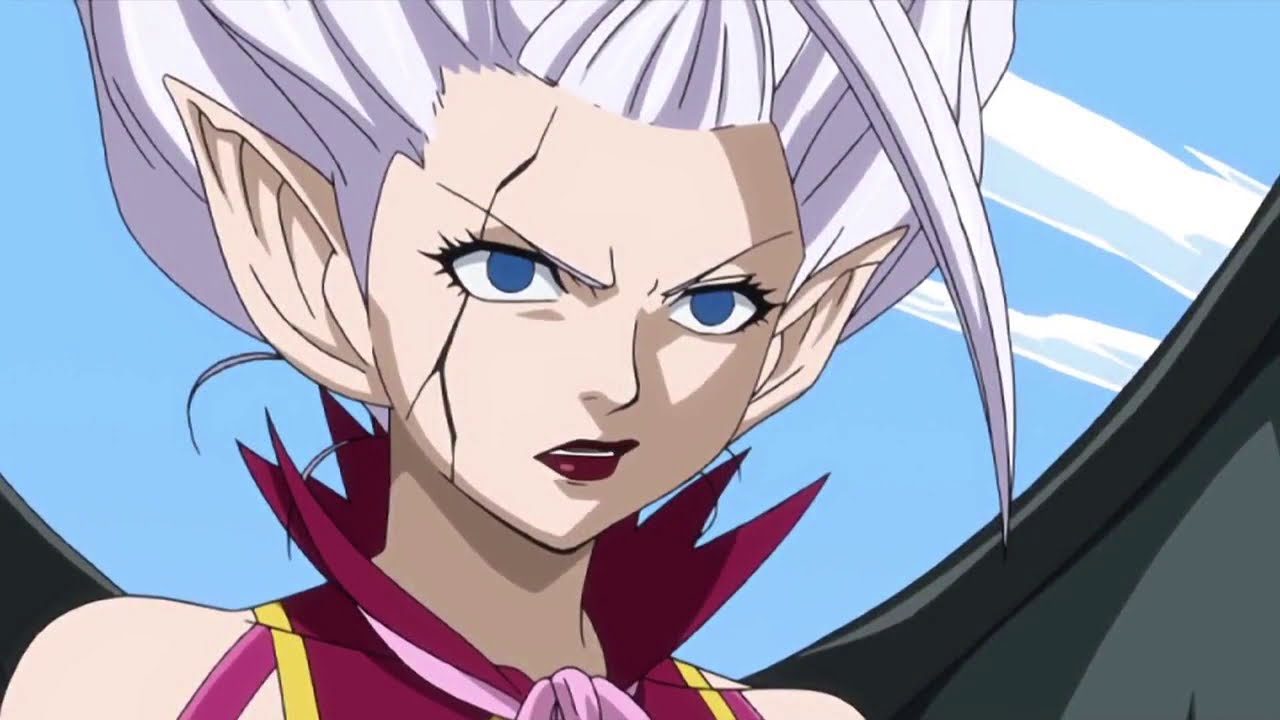

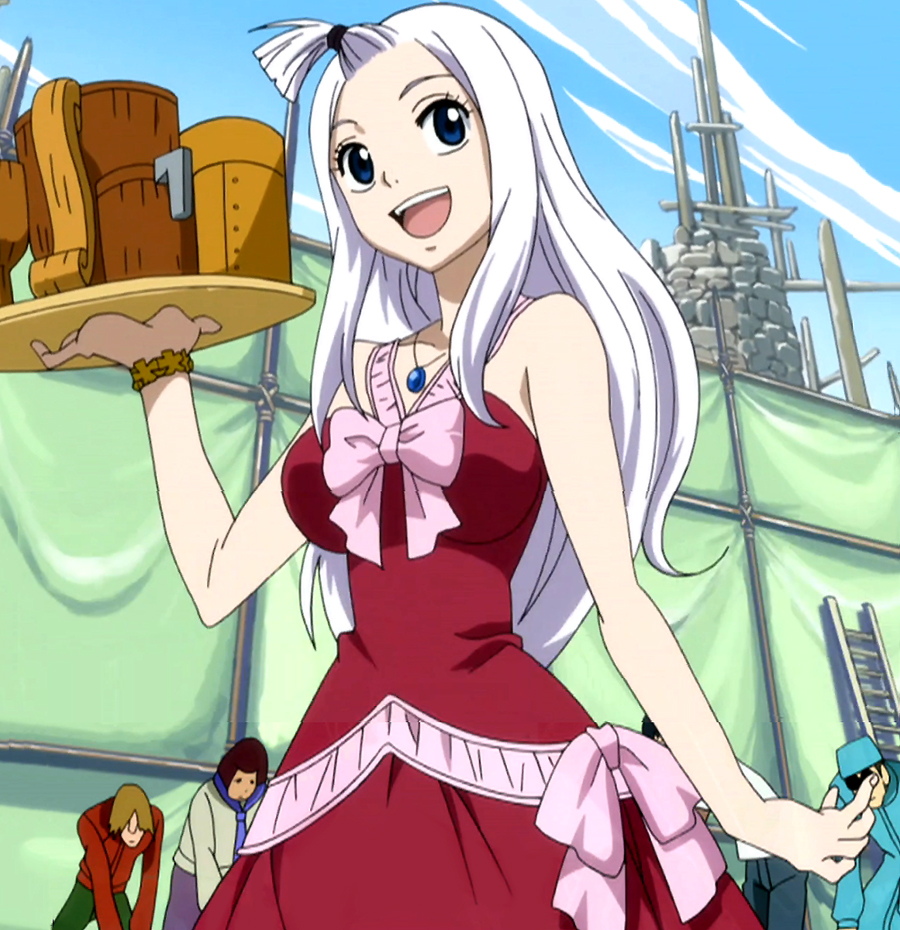

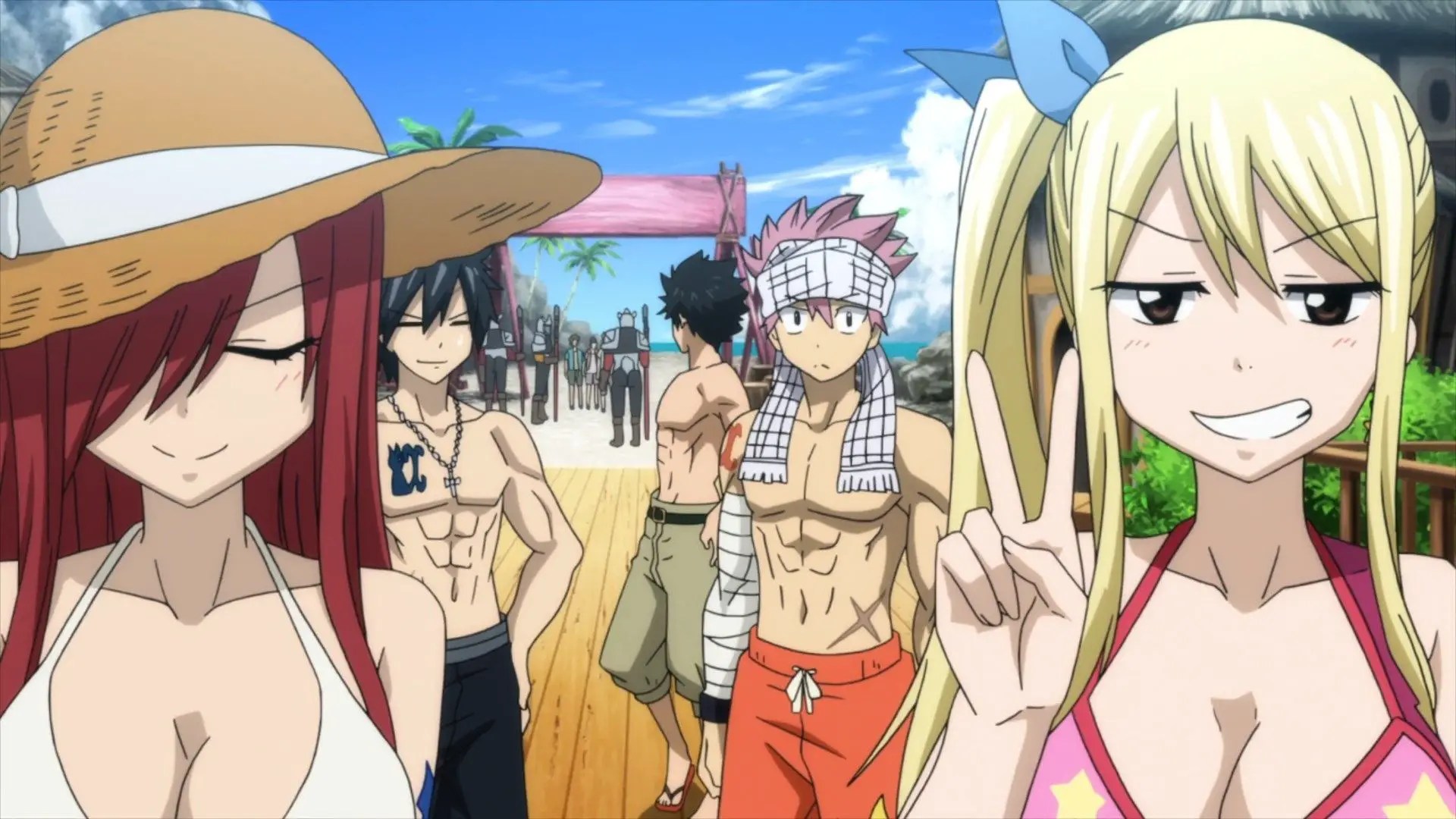


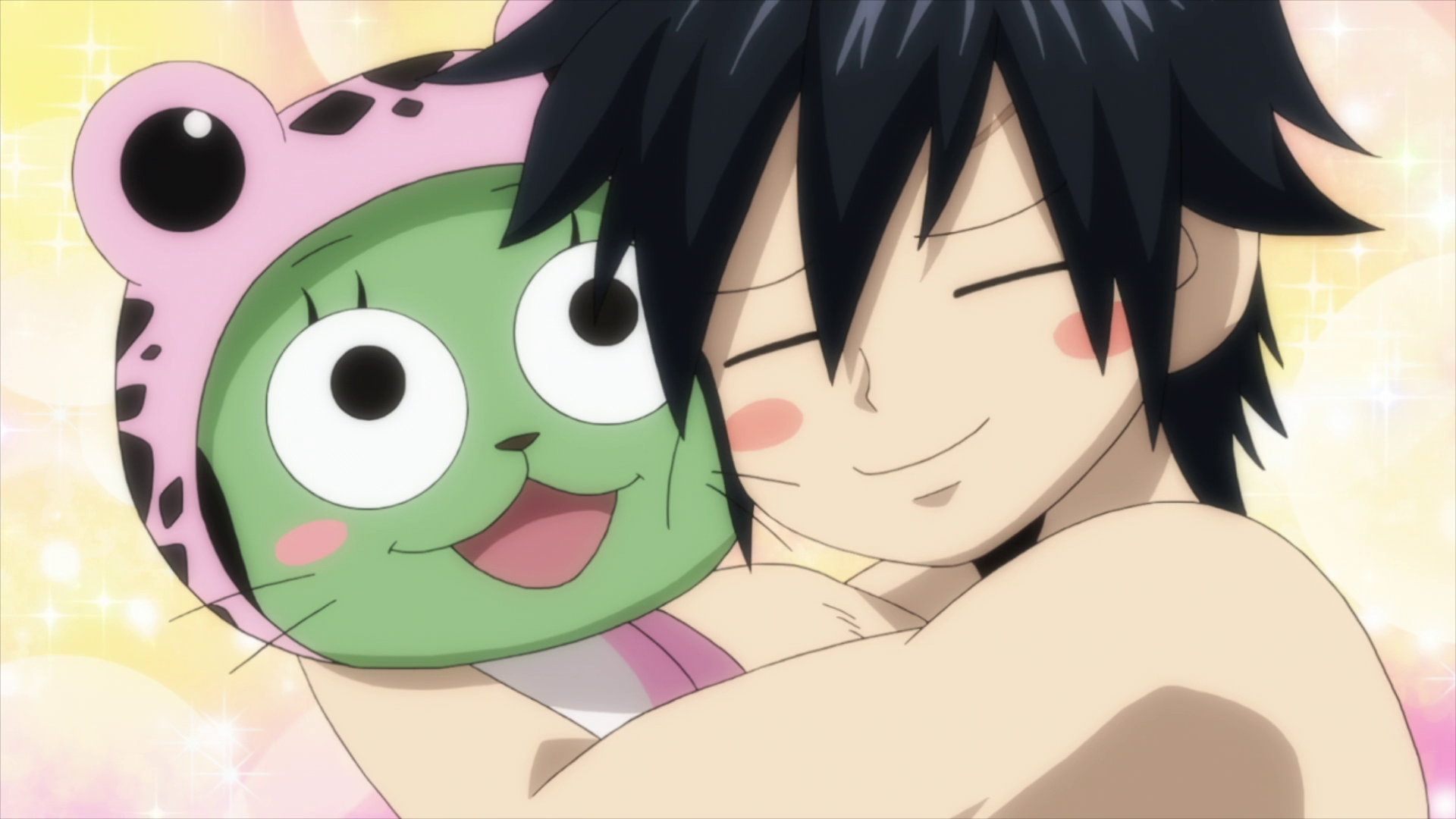
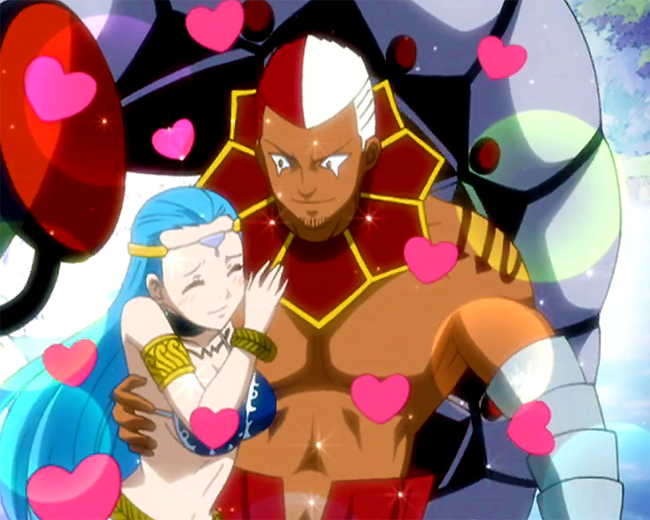


 Anteiku Anime Reviews
3 Comments »